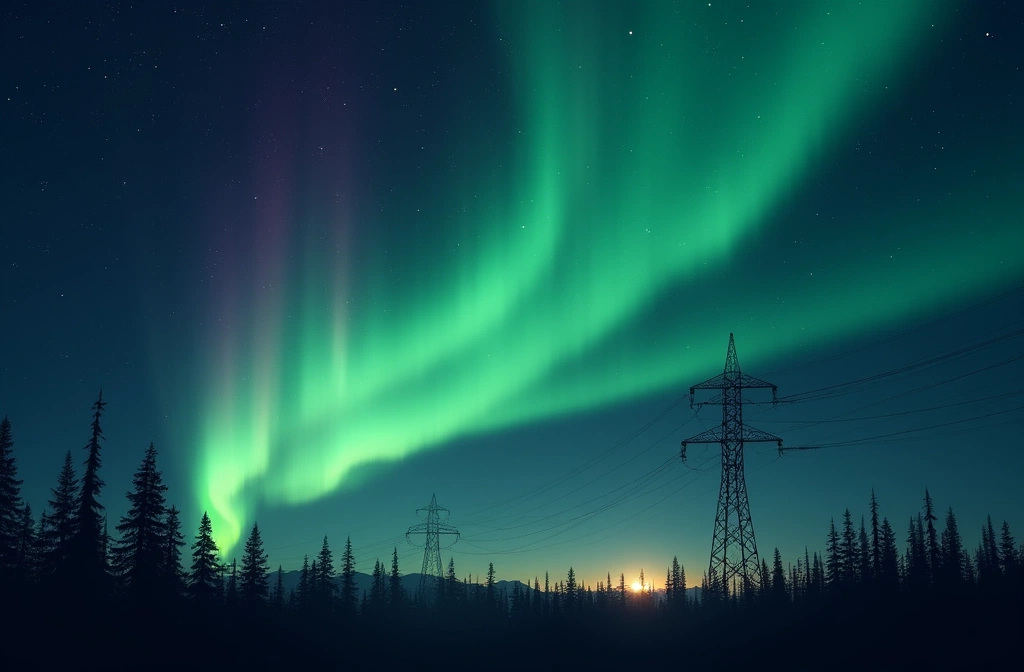
NOAA Space Weather Prediction Center confirmed a G2 (Moderate) geomagnetic storm reached active status between August 9-10, 2026, according to spaceweather.gov. At G2 level, geomagnetic disturbances can create observable impacts on power systems, particularly in high-latitude regions, and may degrade satellite communications and GPS accuracy.
G2 storms sit at the midpoint of NOAA's five-tier scale (G1–G5). They represent the threshold where infrastructure operators begin implementing protective protocols. Power utilities in vulnerable regions may experience voltage control problems. Satellite operators may take evasive maneuvers to protect assets from increased atmospheric drag in low Earth orbit. High-frequency radio and some GPS-dependent systems may show degradation, though widespread outages are not typical at this level.
The distinction between G2 and higher levels matters for preparedness planning. A G2 is a warning signal—it demonstrates the sun is active and capable of producing geomagnetic effects. It also serves as a operational stress test: grid operators, utilities, and satellite operators will be monitoring their systems closely. Any cascading failures or control-system instability observed during a G2 event reveals vulnerabilities that could become critical during stronger storms (G4–G5 range).
Historically, G2-level storms occur multiple times per solar cycle and rarely cause lasting infrastructure damage on their own. However, they occur more frequently during periods of high solar activity. The Carrington Event of 1859—the benchmark for worst-case geomagnetic risk—began with days of escalating storm activity. Monitoring whether this G2 event intensifies, triggers secondary CME (coronal mass ejection) events, or sustains over multiple days will be essential intelligence for assessing near-term risk trajectory.
Watch NOAA's Space Weather Prediction Center daily for updated K-index readings and any upgrade forecasts toward G3 or higher levels. Real-time monitoring is your early-warning system.
