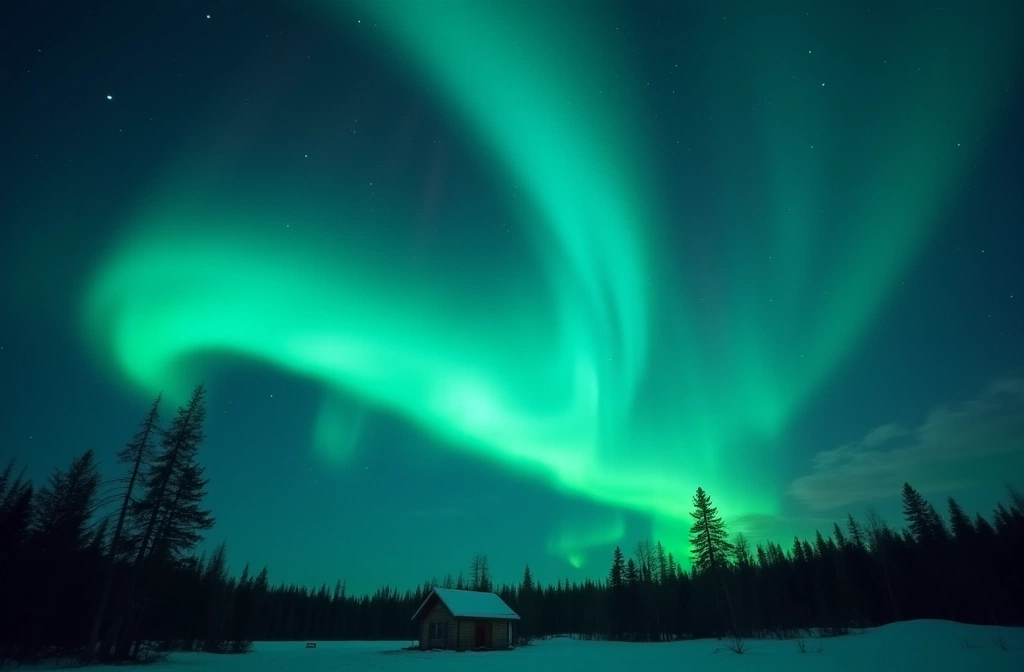
According to NOAA's Space Weather Prediction Center (SWPC), geomagnetic conditions are forecast to reach G3 (Strong) storm levels, which could produce visible aurora displays across observers in parts of up to 26 states during tonight's window.
For most civilians, this is a genuine sky-watching opportunity — aurora visibility at this intensity is relatively rare in mid-latitude states and represents a legitimate natural spectacle. However, the preparedness context is worth understanding.
G3 storms fall in the middle range of the five-tier geomagnetic storm scale. While a G3 event typically does not cause widespread grid failures or communications blackouts — those risks escalate significantly at G4 and G5 levels — NOAA's forecast indicates measurable disturbance to Earth's magnetosphere. This level of activity can cause minor fluctuations in power systems, temporary GPS accuracy degradation, and increased radiation exposure for high-altitude flight crews.
What makes this event noteworthy for preparedness-minded readers is not panic, but pattern recognition. Geomagnetic storms are driven by solar activity — coronal mass ejections and solar wind conditions — and we are currently in an active phase of the solar cycle. Tonight's G3 event is a visible reminder that solar-driven space weather is real, measurable, and occurring with increasing frequency.
This is also an educational moment. If you can see aurora tonight, you're observing the physical signature of solar wind interacting with Earth's magnetosphere. That same mechanism, at higher intensity, is what preparedness models account for when evaluating grid resilience and backup communications infrastructure.
WATCH: Future forecasts from NOAA's SWPC. If activity escalates beyond G3 toward G4 or G5 levels, infrastructure impact thresholds change materially. Current conditions do not suggest imminent escalation, but solar activity can intensify rapidly.
