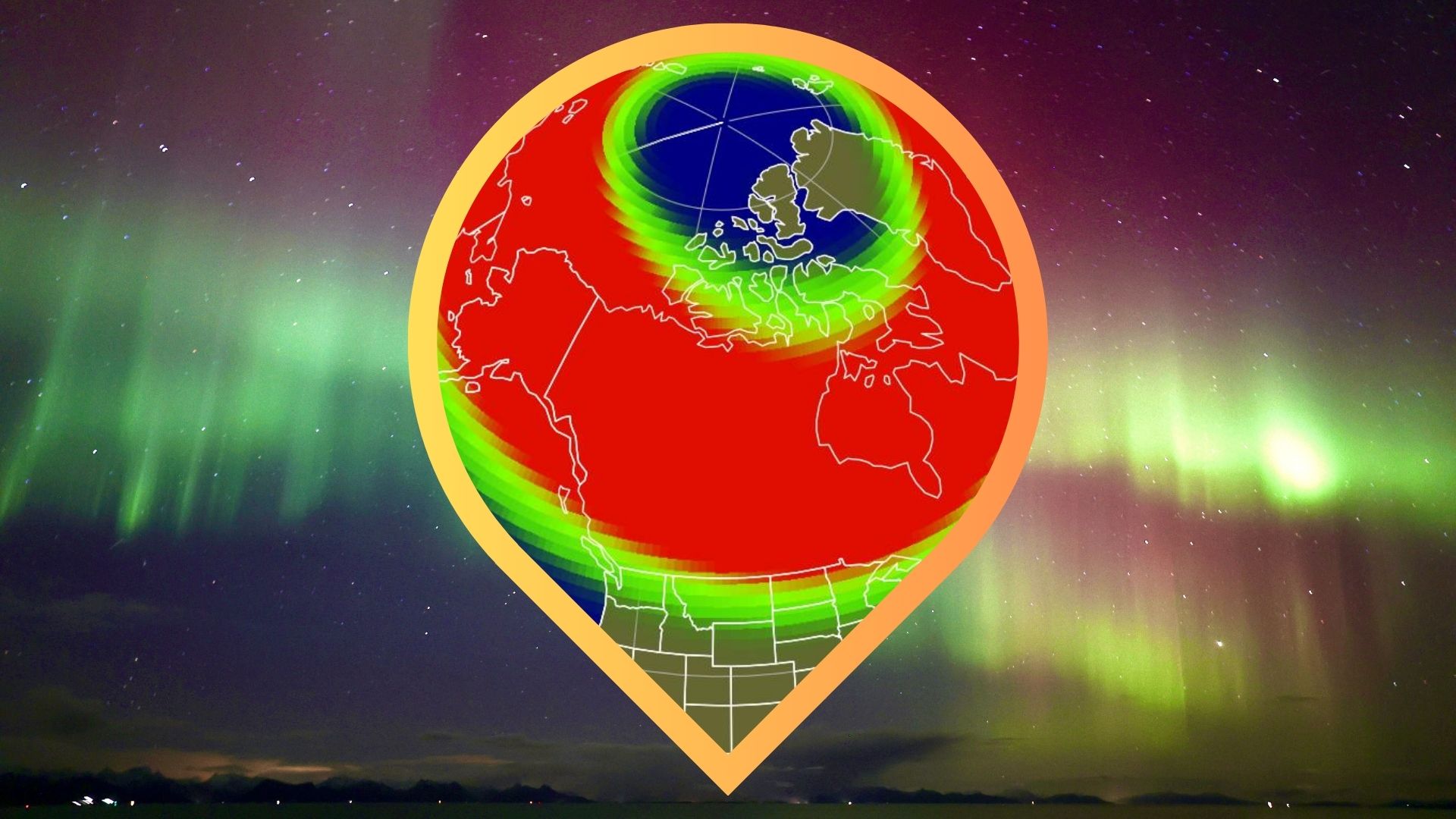
Four coronal mass ejections (CMEs) are en route to Earth, prompting NOAA's Space Weather Prediction Center to issue a G3 geomagnetic storm watch. According to Space.com, the event could produce aurora visibility as far south as Illinois and Oregon tonight, indicating significant magnetospheric disturbance.
G3-level storms occupy the middle tier of NOAA's 5-point geomagnetic storm scale. At this level, power grid fluctuations are possible, and high-latitude power systems may experience voltage instability. Transformers in northern regions face elevated stress. Satellite operations can experience anomalies, and some GPS-dependent systems—including precision agriculture, surveying, and financial transaction timing—may degrade temporarily.
HF radio propagation will be disrupted, affecting long-distance communication systems that lack redundancy. Mobile networks with marginal backhaul or aging infrastructure in storm-prone regions should be monitored. Spacecraft operators have likely issued precautionary notices to reduce solar panel exposure and adjust attitude control.
The multiple CME timeline—four events in close succession—suggests elevated solar activity during this cycle phase. Individual G3 storms rarely cause lasting infrastructure damage, but they serve as a stress test for grid operators and expose vulnerabilities in older or understaffed systems.
For preparedness context: G3 storms occur multiple times per solar cycle. The real threat escalates when storms reach G4 or G5 severity, or when multiple strong events overlap—conditions that strain response capacity and increase cascading failure risk. Tonight's event should be observed for two things: (1) actual grid or satellite impacts reported by operators, which reveal real-world weak points, and (2) whether solar activity accelerates beyond current forecasts, suggesting the storm window is expanding rather than contracting.
Monitor NOAA Space Weather Prediction Center updates for real-time Kp index readings and storm duration. If you operate or depend on systems sensitive to geomagnetic interference—communications, positioning, or time-critical infrastructure—establish contact with your system owner or ISP now to confirm their monitoring protocols.
