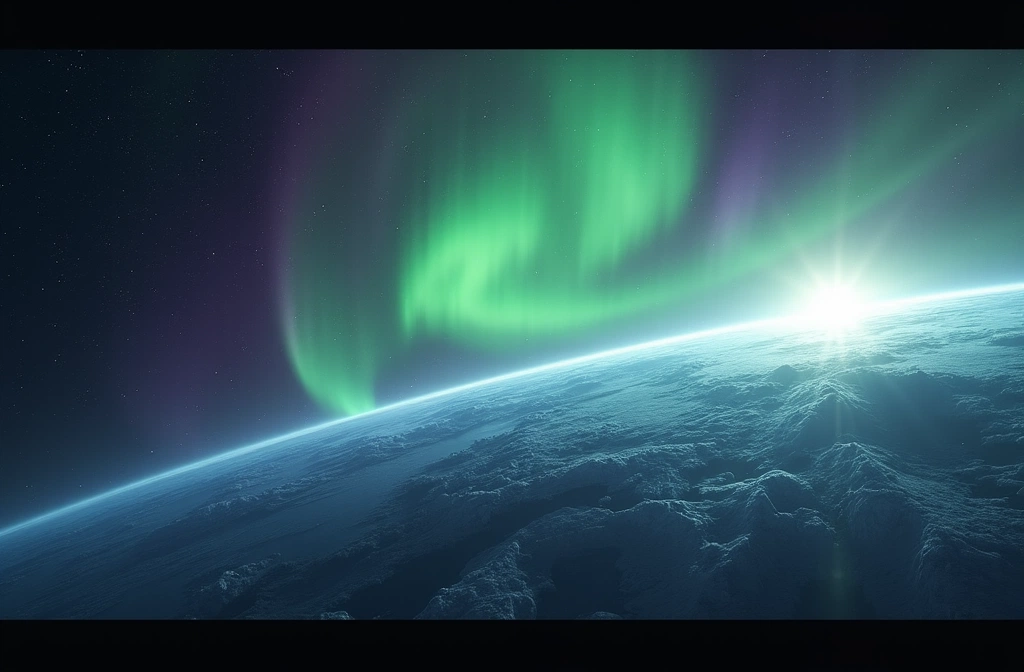
According to The Watchers, a G3-level geomagnetic storm watch is in effect for June 8 as a coronal mass ejection (CME) approaches Earth. This alert follows an earlier G3 storm watch issued for June 4 and 5 in the wake of three significant solar flares.
G3 storms are classified as "strong" on NOAA's 5-tier scale. At this level, storm effects typically include: irregular GPS signal degradation affecting precision navigation systems, minor impacts on HF radio propagation, and isolated voltage irregularities on power transmission systems. Satellites may experience minor anomalies. For most grid infrastructure, G3 events remain manageable if operators are aware and monitoring—but cumulative stress on aging equipment warrants attention.
The sequence matters: three solar flares followed by multiple CME arrivals within days suggests elevated solar activity in this cycle. Each event individually may not breach critical thresholds for widespread blackouts, but the cadence indicates the sun remains in an active state.
For preparedness-minded readers, the practical relevance is this: G3 storms are common enough that grid operators have protocols, but uncommon enough that complacency is dangerous. This is the operational window where preparation assumptions get tested—communications systems may degrade in ways utilities didn't anticipate, or supply chains for replacement transformers face delays if multiple regions experience simultaneous stress.
The risk isn't catastrophic failure from this single event. The risk is that repeated G3+ activity over weeks or months accelerates wear on critical hardware, and if a stronger G4 or G5 event hits during a period of degraded equipment redundancy, consequences escalate sharply.
Watch for: continued alerts from NOAA Space Weather Prediction Center. If additional CMEs are detected and multiple G3+ watches stack up in June, that shifts the operational context for grid stress management. Single events are absorbed; cascading events during summer demand periods are a different operational problem.
