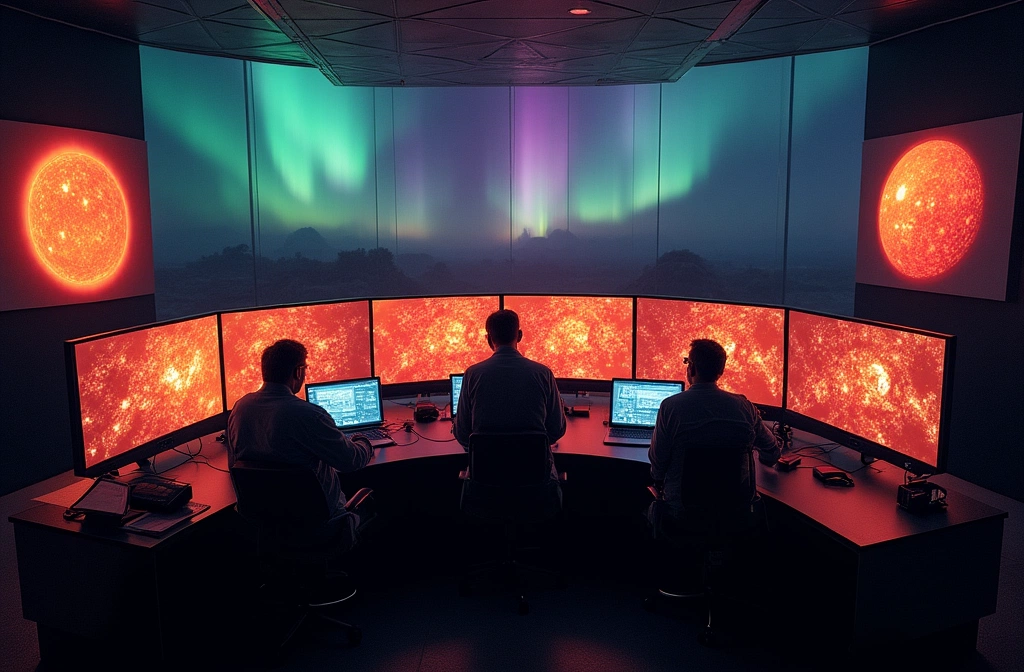
A G5 geomagnetic storm is now under active monitoring by the National Oceanic and Atmospheric Administration (NOAA), the federal body responsible for space weather warnings and tracking. According to available signals, this event occurs within the broader context of the solar cycle—a roughly 11-year period of waxing and waning solar activity. The sun is currently approaching its "Solar Maximum," the peak phase where sunspots are most frequent and solar flares are most intense.
G5 storms represent the highest category on the geomagnetic storm scale. At this severity, ground-based infrastructure—including power grids, transformers, long-distance communications systems, and satellite operations—face documented risk of disruption or damage. The exact scope of impact depends on storm intensity, magnetosphere interaction, and grid preparedness posture.
The timing is significant: Solar Maximum typically produces elevated rates of solar flares and coronal mass ejections (CMEs). While NOAA's warning indicates this G5 event is an extreme outlier, the broader pattern suggests that further geomagnetic disturbances could occur during the remainder of this solar cycle phase. This is not prediction; it is statistical likelihood based on historical solar behavior.
For preparedness-minded readers, the core issue is systemic: critical infrastructure was not universally hardened against space weather threats after the 1989 Quebec blackout or the 2012 near-miss solar storm. Some utilities have upgraded transformer protection and monitoring, but coverage remains uneven across North America and globally.
What to watch: NOAA's real-time space weather alerts will provide short-notice indicators if conditions escalate. Watch for sustained Kp index readings, solar wind density and speed anomalies, and official statements from grid operators regarding protective measures. Regional power utilities may issue advisories if storm intensity warrants operational adjustments. Consumer-grade space weather monitoring apps can track NOAA data in near-real time.
