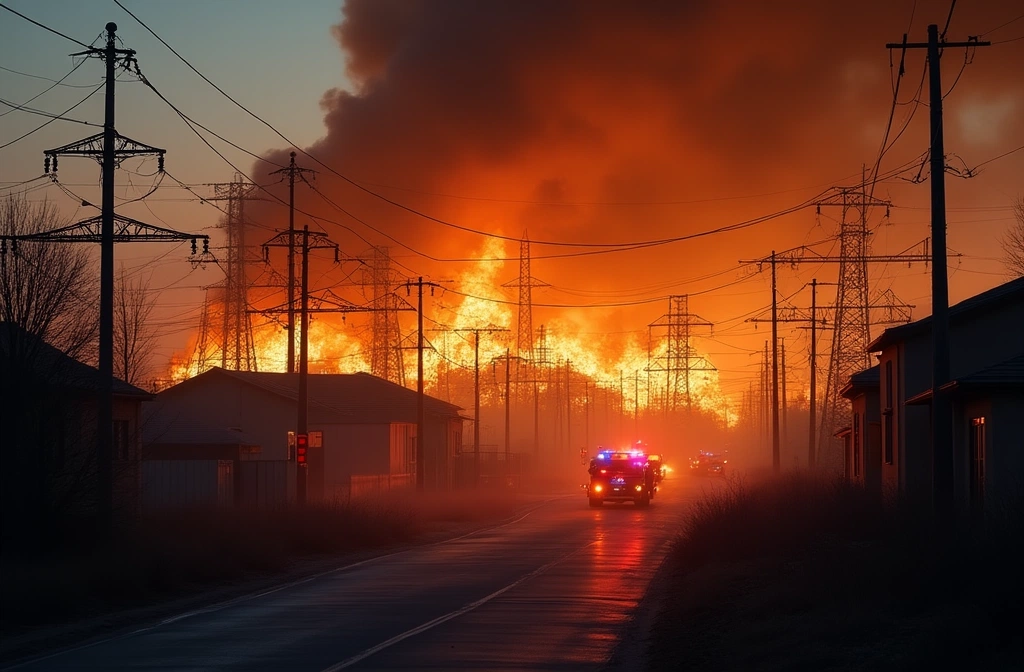
On July 19, 2026, an explosion at the Gariki Injection Substation plunged Enugu into a widespread blackout, according to reporting from Punch Nigeria. The incident affected numerous communities across the city, with MainPower—the regional utility—immediately initiating power restoration operations.
This event matters for three reasons:
First, substation explosions represent a critical vulnerability in grid architecture. Injection substations are high-capacity nodes where power enters the distribution network; damage to a single facility can cascade across entire service areas. Nigeria's power infrastructure has experienced repeated outages tied to equipment failure and aging assets, and this incident suggests that vulnerability remains acute.
Second, the restoration timeline remains unclear from available reporting. Extended blackouts in urban areas create compounding secondary effects: communications disruption, water treatment failures, medical facility strain, and fuel supply chain breaks. Readers in similar climates and infrastructure contexts should note that tropical regions often experience longer equipment replacement lead times due to supply chain constraints.
Third, this is a data point in a broader pattern. West African grid incidents have increased in frequency over the past five years, driven by aging infrastructure, deferred maintenance, and rising demand. A single substation failure may be localized—but it also signals systemic stress across the region's power architecture.
What to monitor: Watch for official statements on the cause of the explosion (equipment failure vs. maintenance issue vs. other vectors). If multiple facilities in Enugu or neighboring states experience similar failures in the coming weeks, that would suggest a systemic issue rather than isolated incident. Pay attention to restoration timelines reported by MainPower; extended outages signal deeper infrastructure weakness.
For readers in areas with similar aging grid infrastructure: this is a reminder to stress-test your personal power resilience. Blackouts lasting 12+ hours are becoming more common globally. Verify your backup power capacity—whether solar, battery, or fuel-based—and test it under realistic load conditions.
