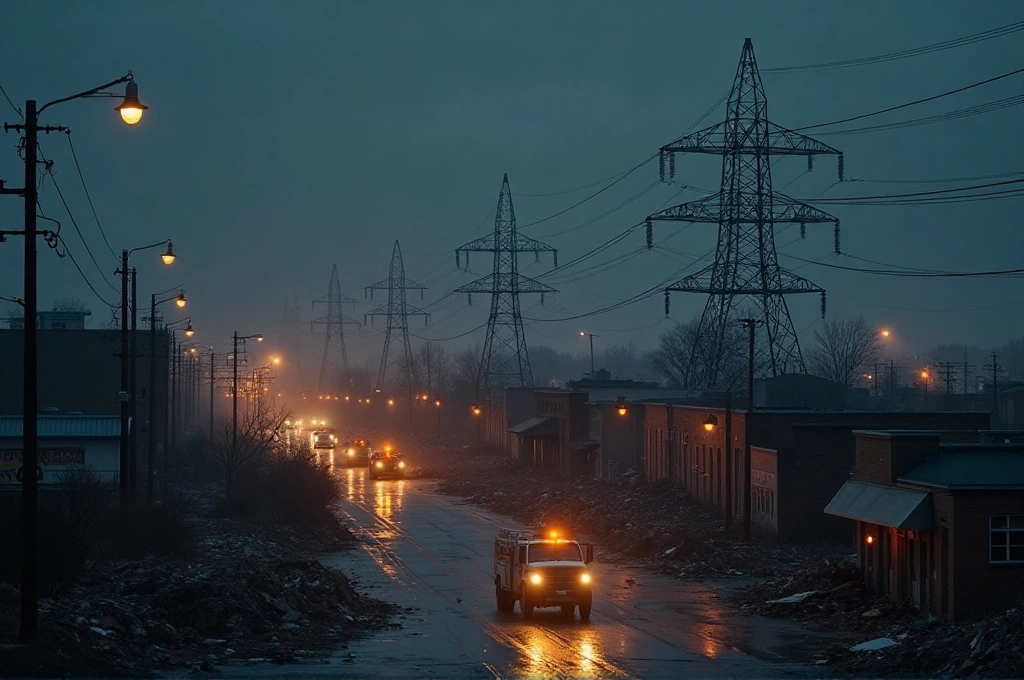
According to CBS Chicago, thousands of residents in Gary, Indiana, remain without power nearly two weeks following severe storms that caused damage and flooding in the area. The extended outage has reached a scale requiring coordinated response from community organizations providing food and resources to affected residents.
This event matters for three reasons:
First, it demonstrates the real-world duration and scope of grid failures beyond initial impact. A two-week outage is not theoretical—it reflects actual cascading effects: spoilage, depletion of local food stocks, water system stress, and compressed emergency response capacity. When organizations must step in to distribute food, it signals local supply chains and household reserves are exhausted.
Second, severe weather remains a primary grid vulnerability in aging infrastructure corridors. The combination of storm damage and flooding suggests multiple failure vectors—physical damage to lines or substations, water intrusion, and vegetation management failures. These are predictable threats, not surprises.
Third, Gary's experience reveals dependency chains. Community organizations can distribute food, but only if supply lines remain intact and fuel is available for transport. A two-week outage tests those limits. If outages extend further or occur simultaneously across multiple regions, these backstop systems compress quickly.
What to watch: Monitor whether power restoration timelines extend beyond current estimates, whether water systems are affected or at risk, and whether mutual aid organizations report supply chain strain. These are indicators of systemic stress propagating beyond the initial grid failure.
