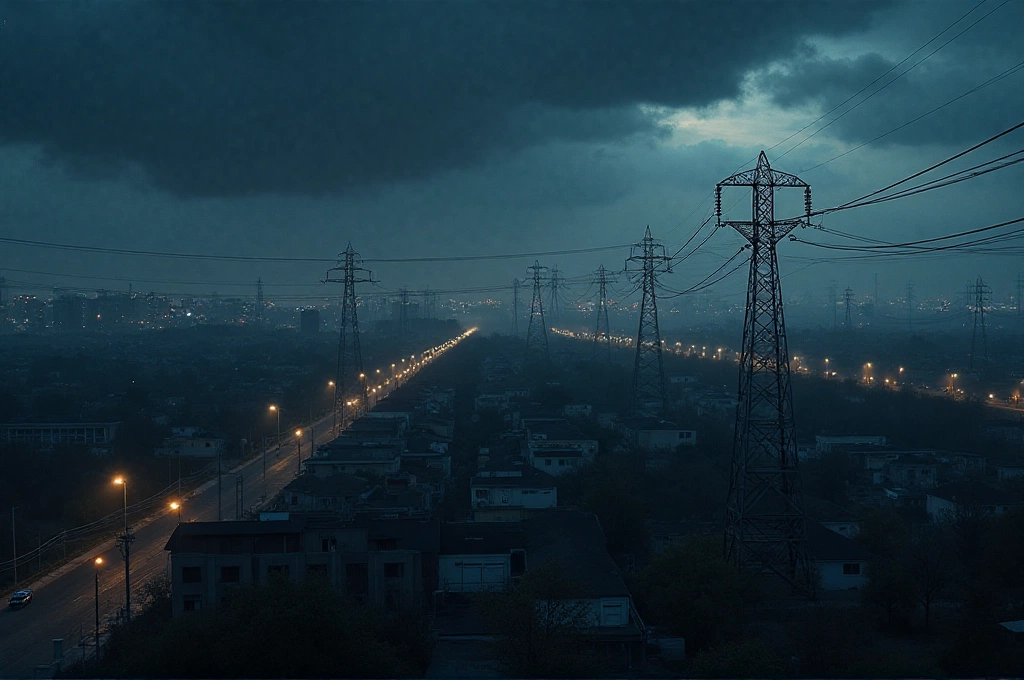
According to WFYI reporting, Gary residents gathered in prayer Monday night as the power outage entered its third week without resolution. Mayor Eddie Melton voiced frustration with NIPSCO's (Northern Indiana Public Service Company) response to the incident.
What matters: A three-week outage in a major industrial region indicates either a significant infrastructure failure or a severely constrained restoration timeline. Gary's location in the Chicago-Gary industrial corridor makes grid stability in the region a material concern for supply chains, water treatment, and emergency services dependent on backup power.
The municipal prayer gathering is a social signal worth tracking—not for its religious aspect, but because it suggests exhaustion with official communication and timeline clarity. When residents default to collective waiting rather than receiving updates on restoration progress, it typically indicates information gaps between utility operators and affected populations.
NIPSCO's response lag also raises questions about mutual aid agreements with neighboring utilities and whether regional surge capacity exists for medium-scale outages. A three-week timeline suggests either: (a) critical equipment damage requiring specialized replacement, (b) supply chain delays in parts availability, or (c) competing restoration priorities across NIPSCO's service territory.
What to watch: Monitor whether this outage triggers industry analysis of Midwest grid interdependencies or utility preparedness audits. Extended outages in winter months create compounding hazards (heating, water freezing, medical equipment). If NIPSCO's restoration timeline extends further, it may indicate systemic constraints in regional grid response capacity that affect broader outage scenarios.
For individual preparedness: This event reinforces the practical value of 72-hour minimum reserves (water, non-perishable food, battery power) and realistic understanding that utility restoration may exceed official estimates. Gary residents entering week three are now operating on household resources rather than emergency response assumptions—a useful reference point for your own planning.
