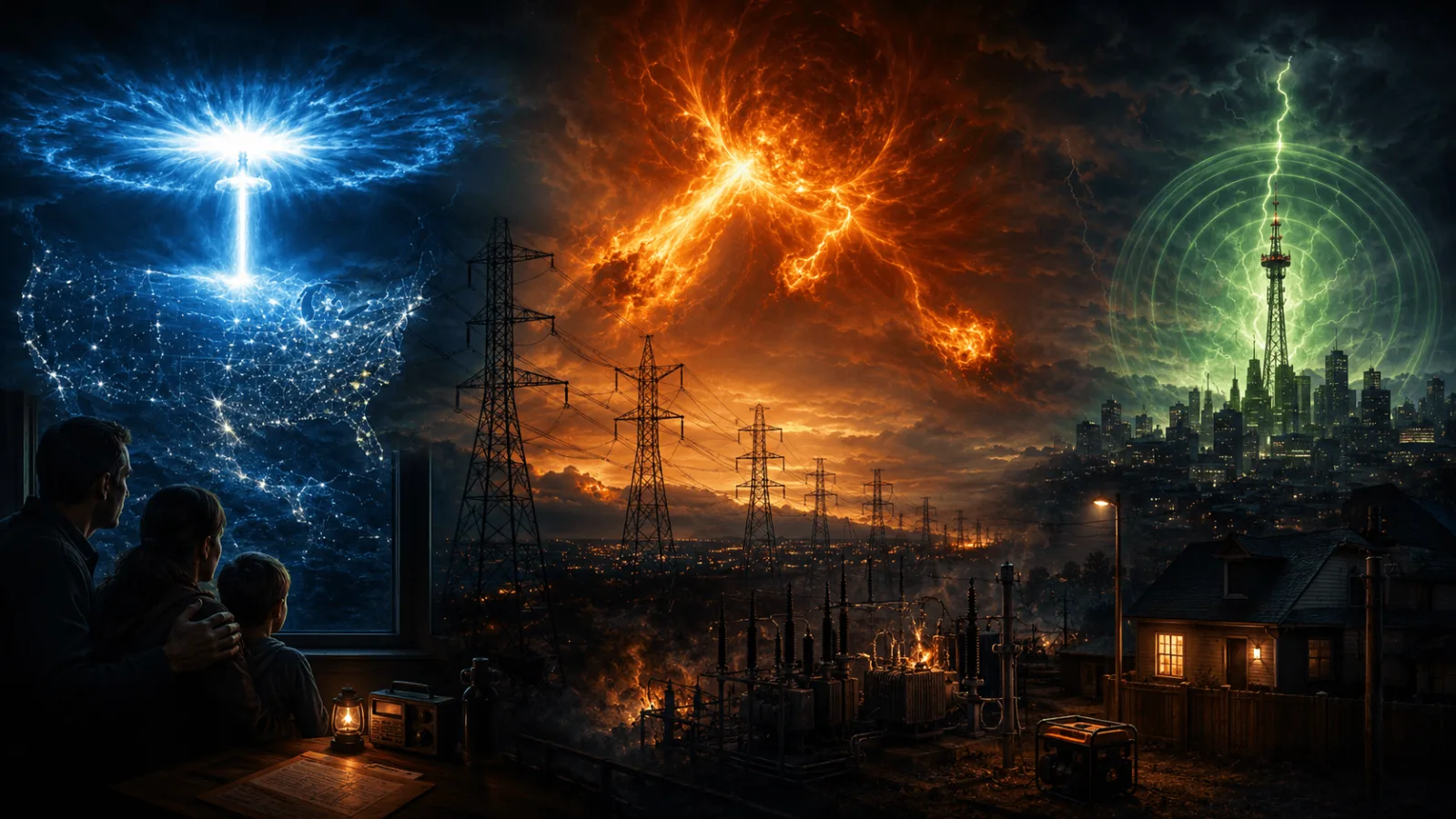
A severe geomagnetic storm struck Earth on November 11, 2025, according to reporting from Phys.org. The event was triggered by solar flares and coronal mass ejections from an active sunspot region. While geomagnetic storms produce visible auroras at higher latitudes, they also generate ionospheric disturbances—the mechanism that degraded GPS accuracy across US territory during this event.
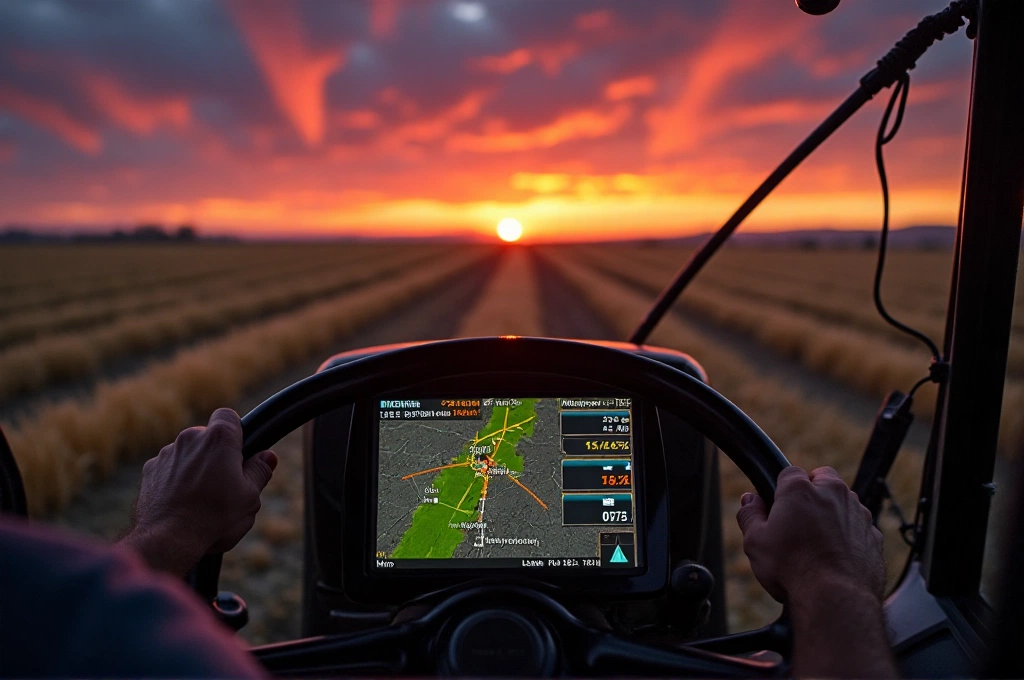
GPS degradation carries real operational risk. Precision agriculture relies on satellite positioning for autonomous equipment, crop mapping, and input application. Financial services, power grid synchronization, and emergency response systems also depend on GPS timing accuracy. A direct hit during peak agricultural season could have cascaded into yield losses and supply chain friction.
Phys.org's reporting suggests the November 11 timing may have averted these losses—likely because the storm occurred outside critical harvest or planting windows in most US regions. This is not luck; it's a reminder that solar storm impact depends on when it hits, not just how strong it is.
The November 2025 event demonstrates that severe geomagnetic disturbances remain an active threat despite our technological advancement. Unlike grid hardening or redundant communications, GPS resilience at scale remains unsolved. Backup navigation systems (inertial measurement, radio beacons) exist but are fragmented and expensive to deploy universally.
For infrastructure operators and agricultural businesses, this event is a data point: GPS-dependent workflows need contingency plans. For preparedness-minded individuals and organizations, it reinforces a known risk that often lacks urgency because impacts are sectoral, not total-grid.
The active sunspot region that triggered this storm remains a variable. Solar cycles are predictable at scale but not at the day-level. Watch NOAA's Space Weather Prediction Center for updated K-index forecasts and G-scale storm alerts—these provide 24-48 hour warning windows for critical operations to implement workarounds.