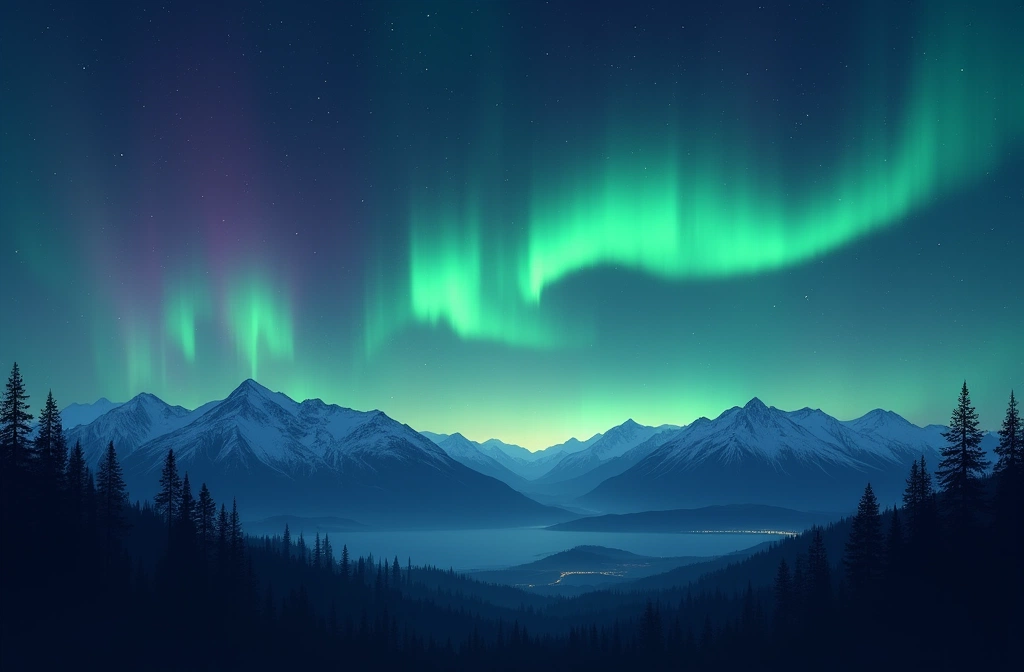
A geomagnetic storm is expected to reach Washington state this weekend, according to reporting from Columbia Basin outlets citing NOAA data. The phenomenon occurs when solar wind collides with Earth's magnetic field, producing the visible aurora as electrons from space interact with atmospheric atoms and molecules in polar regions.
This event is classified as low severity and does not currently indicate grid-threatening conditions. However, the timing and visibility serve as a reminder of operational baseline: geomagnetic storms exist on a spectrum. NOAA categorizes them on the Kp index scale. The distinction matters. A G1 event (minor) produces aurora in high northern latitudes and poses no infrastructure risk. G4 and G5 events (severe to extreme) can degrade GPS accuracy, impact satellite operations, and stress transformer capacity on vulnerable grids—particularly in regions with aging infrastructure or high solar activity sensitivity.
This weekend's event appears to fall in the lower range based on available reporting. That said, it's a useful operational checkpoint: If you haven't verified your household's resilience against extended power loss, geomagnetic storm season (which tracks solar cycle peaks) is the right time to do so. Backup power systems, water storage, and communications redundancy are proportional to actual risk, not to hype.
Watch NOAA's Space Weather Prediction Center (SWPC) for official Kp index updates and storm classification. Their public forecasts provide real-time accuracy far better than media interpretation. The next 2-3 years will likely see additional geomagnetic activity as solar cycle 25 continues its ascent—making now a practical window to stress-test preparedness plans before higher-consequence events emerge.
