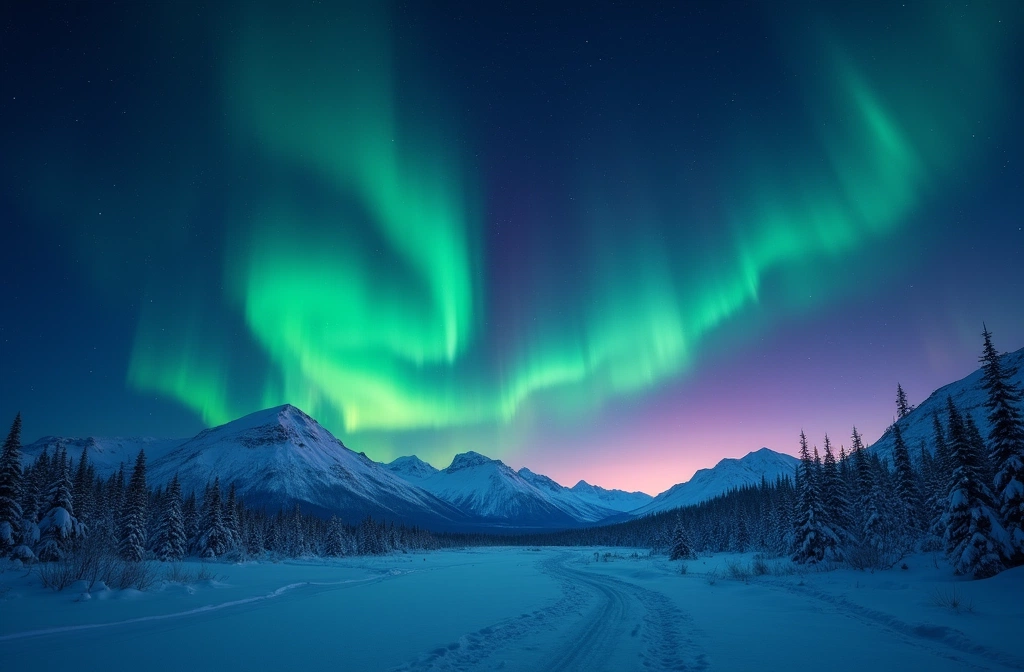
According to NOAA and multiple news outlets, a geomagnetic storm is currently active and expected to reach peak intensity on Saturday night, providing the strongest viewing window for aurora borealis across North America. The best observation period will fall between 10:00 pm and 2:00 am local time, though timing may shift based on location and conditions, according to reporting from NOAA forecasters.
Geomagnetic storms of this magnitude are routine solar events—Earth's magnetosphere deflects charged particles from the sun, producing visible auroras at higher latitudes. This particular event is classified as moderate intensity and poses no immediate public safety threat.
However, this event carries preparedness relevance worth noting: geomagnetic disturbances can affect satellite communications, power grid stability, and GPS accuracy, particularly at higher latitudes and during stronger events. This weekend's storm provides a natural case study for how ground-based monitoring and forecast systems perform during active solar conditions. NOAA's ability to issue advance notice—as they have here—demonstrates that current early-warning infrastructure is functioning as designed.
For preparedness-minded readers, the key takeaway is observational: watch how your local grid operators, communications networks, and critical infrastructure respond during the peak window Saturday night into early Sunday. Any anomalies in cell service, power fluctuations, or GPS lag in your area during 10 pm–2 am Saturday should be logged. These data points help you establish baseline vulnerability profiles for your location.
This is a low-severity event suitable for baseline testing of your own communication backup systems, battery reserves, and offline navigation tools—no emergency action required, but useful real-world validation of your preparedness posture without the stakes of a genuine crisis.
