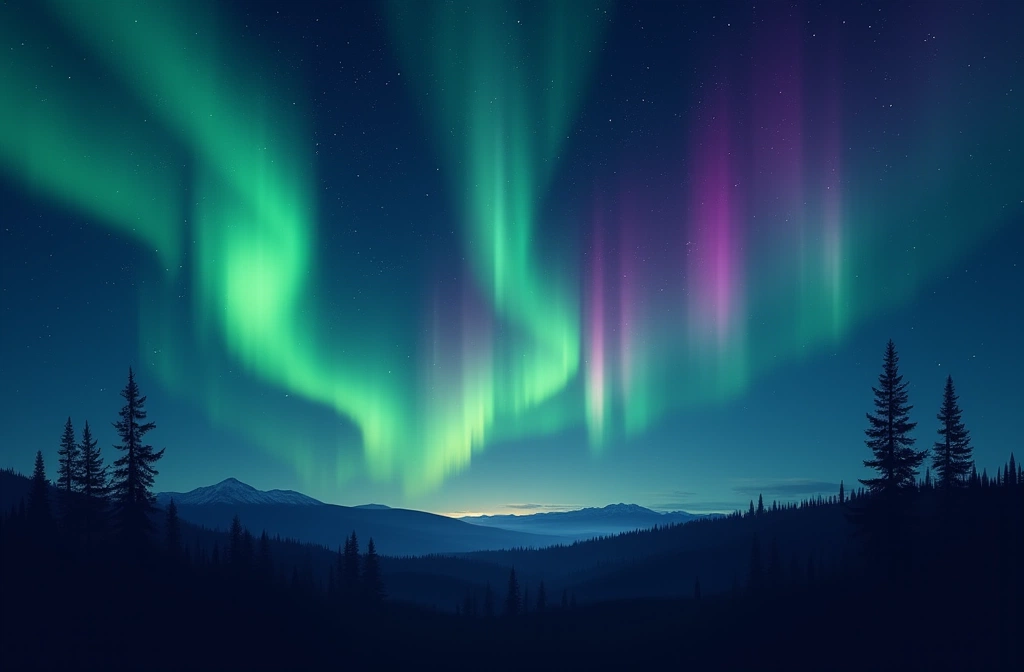
According to reporting from Tempo.co citing NOAA, a geomagnetic storm is producing aurora borealis visible across eight U.S. states, with the display forecasted for 10 p.m. to 2 a.m. local time. The phenomenon occurs when charged particles from the sun collide with gases in Earth's atmosphere, creating the characteristic light display.
For preparedness readers, geomagnetic storms merit attention—not because tonight's aurora represents a threat, but because it reflects underlying solar activity that could escalate. Stronger geomagnetic events can degrade GPS accuracy, disrupt high-frequency radio communications used in aviation and maritime operations, and stress power grid voltage regulation systems. Historically, major solar storms have triggered widespread blackouts and satellite failures.
Tonight's event sits at the low end of severity. The visibility of aurora at lower U.S. latitudes typically indicates a G-level storm, but tonight's classification remains unclear from available reporting. NOAA provides real-time space weather indices; readers tracking solar activity should monitor the NOAA Space Weather Prediction Center directly for Kp index readings and storm forecasts.
The critical question for infrastructure watchers: What comes next? Geomagnetic storms often arrive in clusters during solar maximum periods. A single aurora event doesn't signal imminent grid failure, but it does confirm the sun's current activity level. Preparedness-minded readers should use tonight as a checkpoint to verify baseline resilience—backup power systems, offline navigation tools, and communication alternatives that don't depend on GPS or cellular networks.
The 11-year solar cycle is well understood; the timing and intensity of individual storm clusters is not. Tonight's aurora is observable proof that space weather is active right now. That's worth noting in your preparedness log.
