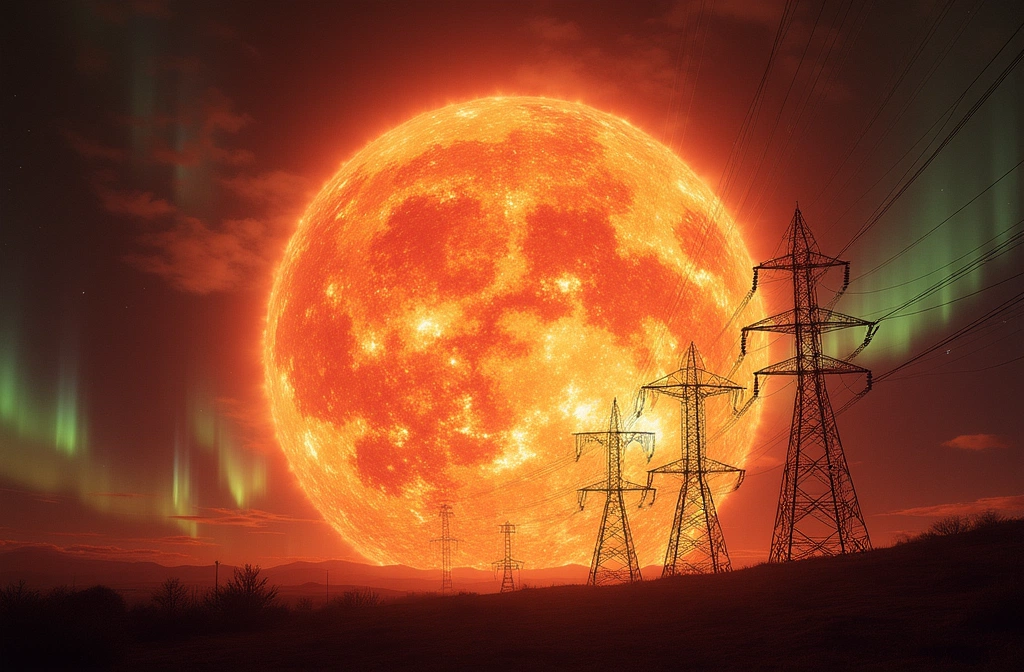
According to The Tech Advocate, geomagnetic storms can induce electric currents capable of causing transformer damage in power stations, potentially leading to widespread blackouts. This is not speculative risk — it's a documented failure mechanism tied to space weather events.
NOAA and NASA monitor solar activity using satellites equipped with advanced sensors and provide forecasts and alerts to infrastructure operators and emergency management. These agencies have visibility into solar conditions that could precede major geomagnetic events.
Why this matters: The power grid's vulnerability to geomagnetic disturbance is not theoretical. Transformers are long-lead-time equipment — replacement cycles measured in months to years. A significant geomagnetic event affecting multiple transformers simultaneously could degrade grid resilience across entire regions, not just isolated outages.
For preparedness professionals, the operational takeaway is straightforward: NOAA and NASA alerts are your primary early warning system. When these agencies issue space weather forecasts, they reflect real-time solar conditions. The lag between solar event detection and ground impact gives a narrow window — typically hours to days — for infrastructure operators to implement protective measures or load-shedding protocols.
This is not about predicting when a major geomagnetic storm will occur. It's about recognizing that if one does, transformer damage and extended blackouts are plausible outcomes. The monitoring infrastructure exists. The risk is documented. What matters now is how grid operators integrate these warnings into operational planning, and how households and organizations prepare for potential extended power loss tied to space weather, not just weather-related outages.
Watch NOAA's Space Weather Prediction Center alerts and NASA solar activity updates as your primary intelligence source on this threat vector.
