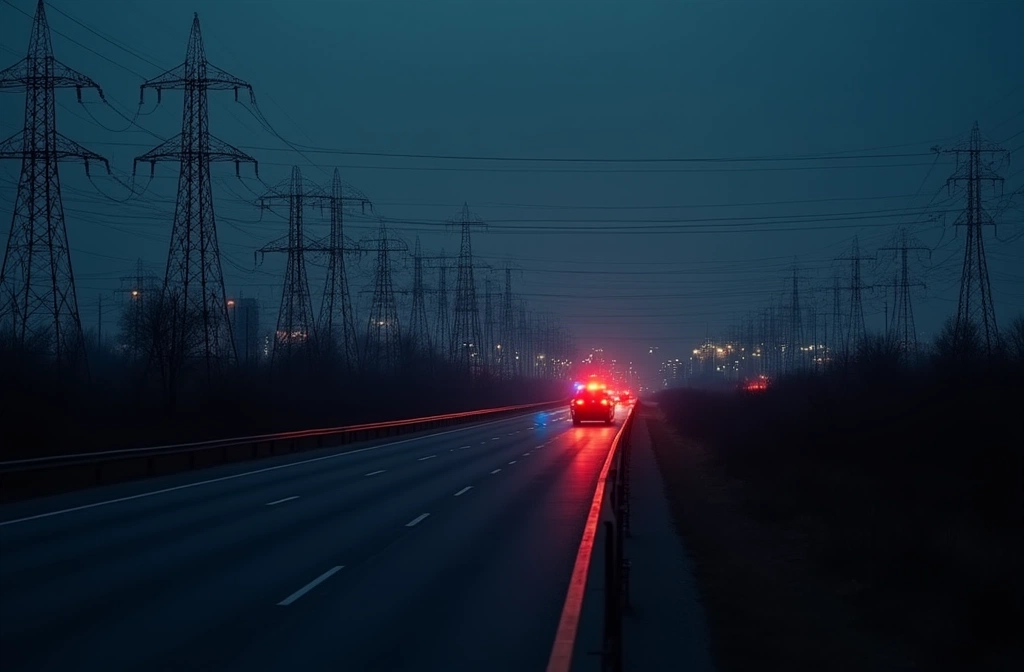
At approximately 12:10 a.m. on July 24, 2026, a nationwide power outage struck Georgia, leaving much of the country without electricity. According to Georgia Today, the outage also affected Abkhazia and disrupted services including water supply systems. The Georgian State Electrosystem issued an emergency statement confirming the incident and noting that specialists were engaged in response efforts, though details on cause and timeline for restoration were not provided in available reports.
A full-country grid collapse—affecting generation, transmission, or distribution simultaneously—indicates either a cascading failure at a critical chokepoint or a widespread simultaneous event. The fact that power was cut in both Georgia proper and Abkhazia suggests the outage affected interconnected infrastructure across the region.
For infrastructure analysts, this matters because it demonstrates how rapidly a modern grid can lose load across an entire nation. Unlike localized outages tied to weather or equipment failure, nationwide blackouts expose dependencies in control systems, fuel supply chains, and inter-regional transmission that are often invisible until they fail. Water supply disruption—noted in initial reports—shows the cascade: no power means no pump operation, no pressure, no water delivery.
The immediate risk surface includes communications degradation (cell towers run on limited backup), transportation system disruption (traffic signals, rail), and supply chain friction as logistics networks lose coordination. Extended outages stress fuel reserves, food cold chains, and medical systems.
What to monitor: official statements from Georgian State Electrosystem on cause determination (weather, equipment, cyber, physical infrastructure damage), restoration timelines, and whether neighboring grids (Turkey, Russia, Azerbaijan interconnects) experienced load swings or triggering events. The lack of detailed cause information in initial reporting is standard during active incidents but will be critical for understanding whether this was random failure or systematic vulnerability.
