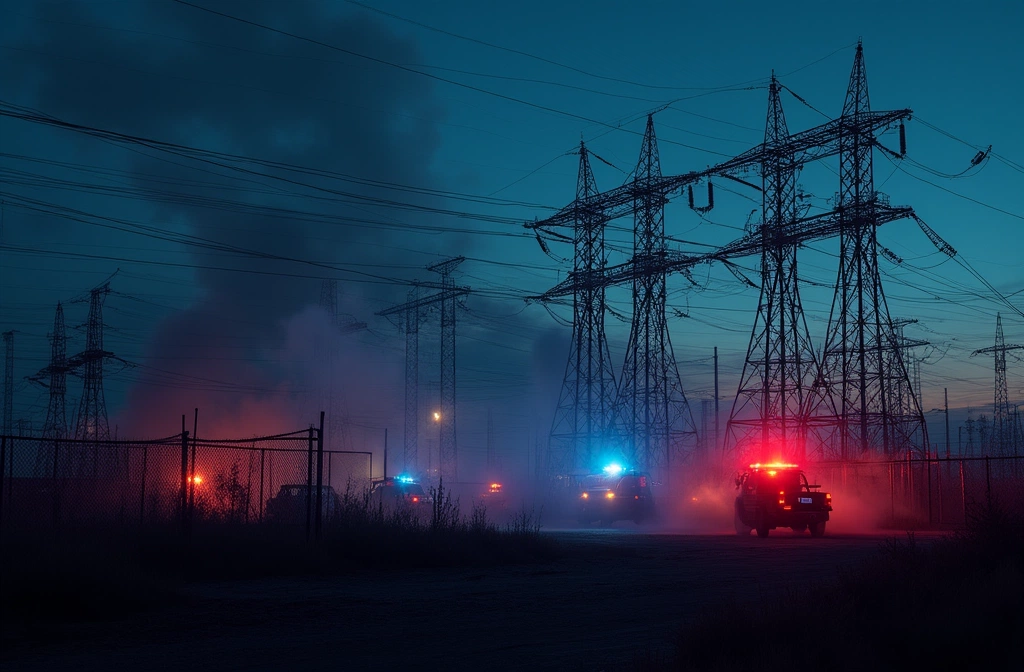
Georgia's electrical grid suffered its first nationwide blackout shortly after midnight on Friday, July 24, according to DFWatch. Power was gradually restored during the morning hours. A second major outage followed approximately eight hours later at around 08:00 on Saturday. Georgia's State Electrosystem reported full power restoration nationwide by 10:15.
The critical detail: authorities are investigating the possibility of sabotage. DFWatch does not specify the nature of suspected sabotage, what evidence prompted the investigation, or which actors officials are examining. This absence of detail is significant—it suggests either an active investigation still in early stages, or incomplete reporting.
Why this matters for grid-aware readers: Back-to-back nationwide outages are operationally rare. They suggest either a systemic vulnerability affecting multiple generation or transmission nodes simultaneously, or coordinated action against critical infrastructure. The investigation into sabotage indicates officials are not ruling out deliberate intent.
Two scenarios warrant monitoring:
First: If sabotage is confirmed, it demonstrates that physical or cyber attack vectors exist against a national grid in an active geopolitical region. Georgia sits at a crossroads between NATO interests and Russian influence—context that makes infrastructure resilience assessment urgent.
Second: Even if sabotage is ruled out, twin failures in 24 hours expose cascading vulnerability. When one outage happens, operator response and grid rebalancing become critical. A second outage during recovery mode creates compounding stress on backup systems, manual protocols, and personnel.
What to watch: Official statements from Georgia's State Electrosystem clarifying investigation findings, scope of affected infrastructure (generation, transmission, distribution), and duration of service disruption for critical sectors (hospitals, water, communications). Timeline matters—how quickly each outage was declared and restored tells you how prepared grid operators are for crisis response.
