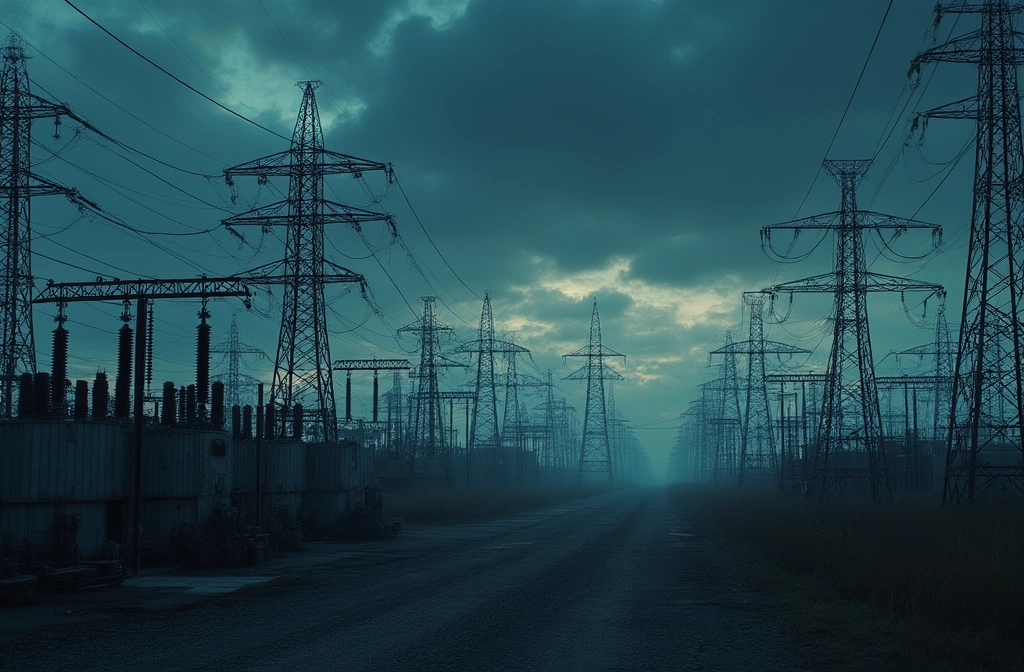
According to Caliber.Az, Georgia authorities have established a preliminary cause of a nationwide blackout and are conducting critical testing to determine if the country's electrical grid can sustain operations in isolated mode—a baseline resilience metric for any national power system.
The blackout was the first in a series of major power disruptions across Georgia. A second widespread outage occurred on July 25, leaving significant portions of the country without power.
Why this matters: Repeated grid failures in the same region within days suggest either a systemic vulnerability that remains unresolved, or cascading stress on infrastructure designed without adequate redundancy. The fact that authorities are testing isolated-mode capability indicates the grid may be heavily dependent on external interconnections—a structural weakness that becomes critical if regional transmission fails.
For preparedness analysts, this pattern is worth monitoring. Single blackouts can be equipment failures. Repeated blackouts in a short timeframe suggest either: (a) the root cause wasn't fully resolved after the first incident, (b) the grid's recovery procedures are introducing new failure points, or (c) underlying conditions that triggered the first outage remain present.
The emphasis on isolated operation testing may indicate authorities recognize the vulnerability and are working to improve the grid's ability to function independently—a necessary but incomplete solution if the underlying cause hasn't been fully addressed.
What to watch: Monitor whether Georgian officials publicly release details on the preliminary cause, timeline for grid hardening, and results of isolated-operation testing. Multiple outages in a single region over short intervals can signal either transient problems or persistent infrastructure weaknesses. The next indicator will be whether outage intervals increase (suggesting resolution) or remain frequent (suggesting ongoing systemic issues).
