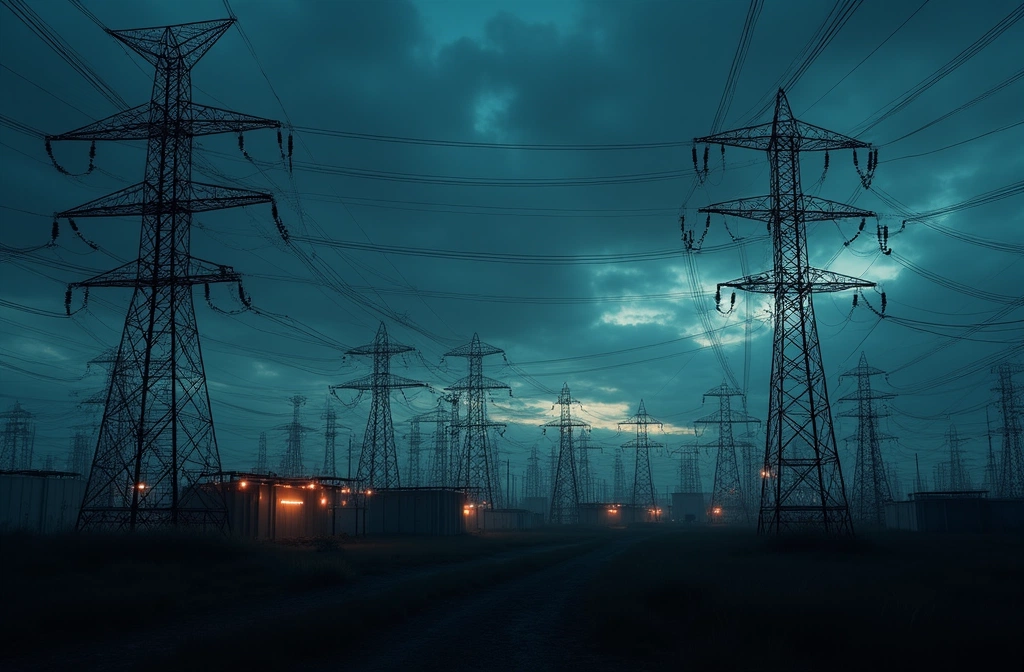
According to DFWatch and Ukrainian News Network (УНН), Georgia was hit by a second major blackout on Saturday, July 25, less than 24 hours after a similar nationwide outage on Friday, July 24. The Friday blackout began shortly after midnight and was restored. The Saturday outage affected Tbilisi, Batumi, and Kutaisi, with power eventually restored across the country, according to Caliber.Az.
Both events disrupted critical services. Caliber.Az reports the second blackout in less than 48 hours "disrupted transport, water supplies, and other essential services." This dual failure within 72 hours suggests either a systemic vulnerability in grid protection or a common failure mode being repeated.
Authorities cited a "system failure" as the cause, per Caliber.Az, but the sources provided do not elaborate on root cause analysis, whether the failures share a common origin, or whether corrective measures were implemented between the two events.
For infrastructure analysts and preparedness planners, the significance lies not in speculation about cause, but in observed pattern: a major grid serving a country of 3.7 million people failed, recovered, and failed again within 48 hours. This suggests either:
- Incomplete diagnostics or repairs after the first outage
- A systemic vulnerability not addressed by standard failsafes
- Cascading stress on grid components from rapid power restoration cycles
The impact on water supply is particularly notable—modern water treatment and distribution depend on continuous power. A second failure within hours means backup systems (if present) may have been depleted or exhausted by the first event.
What to watch: Grid operators globally will be analyzing Georgia's incident logs to determine whether this reflects a regional problem or a systemic vulnerability in their own networks. Readers should monitor official Georgian power authority statements for root cause confirmation and whether load-shedding protocols or equipment replacements are announced. Repeated failures in the same timeframe often precede extended outages if the underlying issue remains unresolved.
