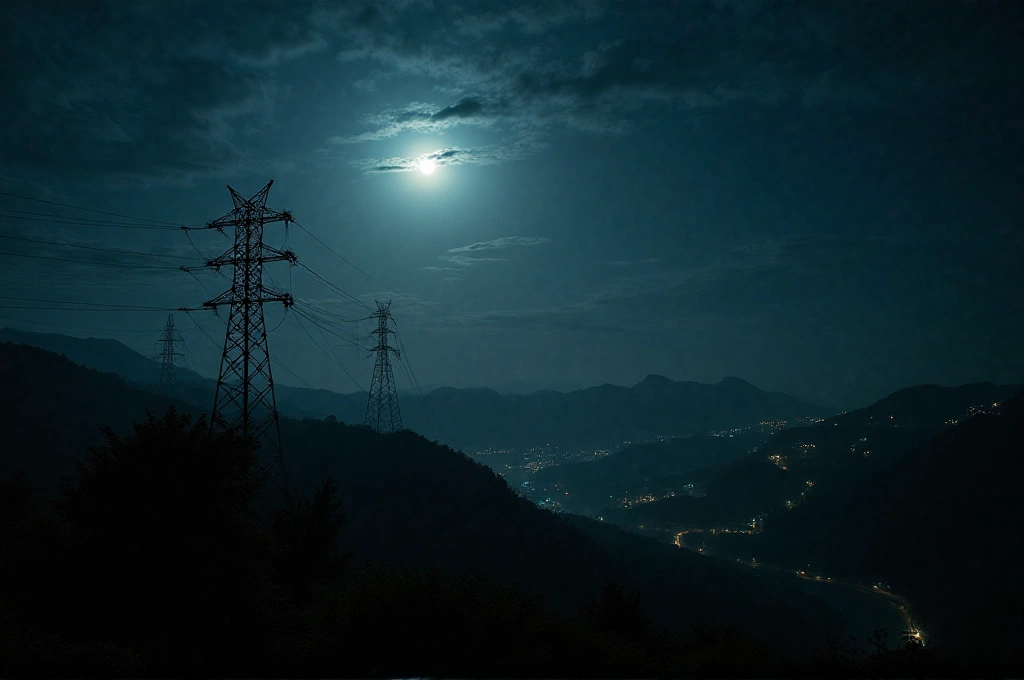
At approximately 4:30 AM on August 20, 2026, the Ghana Grid Company Limited (GRIDCo) experienced a widespread power outage across Ghana. According to reporting from YEN.COM.GH and The Herald Ghana, GRIDCo attributed the blackout to a major fault on the Akosombo–Volta transmission line. That fault triggered automatic shutdown protocols at the Akosombo generating units and some thermal plants, cascading into a multi-region blackout affecting Accra, Ashanti, Eastern, Northern, and Central regions.
Why this matters: The Akosombo–Volta line is not redundant infrastructure—it's a critical artery for Ghana's power distribution. A single fault on this corridor can and did disable generation capacity and black out substantial population centers simultaneously. This is textbook single-point-of-failure risk. When automatic protective systems shut down generators in response to transmission faults, you don't just lose transmission capacity; you lose generation output, which narrows your grid's margin for recovery.
For preparedness-aware observers, this event illustrates a systematic vulnerability common across developing and middle-income grids: concentration of generation capacity (Akosombo is a major hydroelectric facility) connected through limited transmission corridors. Redundancy is expensive, and many grids defer it. Ghana's grid may be no exception.
The incident also demonstrates that modern grid automation—designed to prevent catastrophic cascades—works as intended: protective relays shut down equipment to prevent damage. That's correct engineering. But it means recovery depends on manual restoration procedures, staged reconnection of loads, and coordination between generation and dispatch. That takes time.
What to watch: Whether GRIDCo releases a detailed technical report on the fault cause and nature (transient vs. permanent), repair timeline, and load shedding sequence used during recovery. Lack of transparency on those points may suggest institutional difficulty managing grid complexity or communication breakdowns during crisis—both red flags for future reliability.
For readers in Ghana or dependent on Ghanaian power: This event is a reminder that grid outages in infrastructure-constrained regions can be hours, not minutes. Water storage, battery backup, and fuel reserves for backup generation are not paranoia—they're rational risk management.
