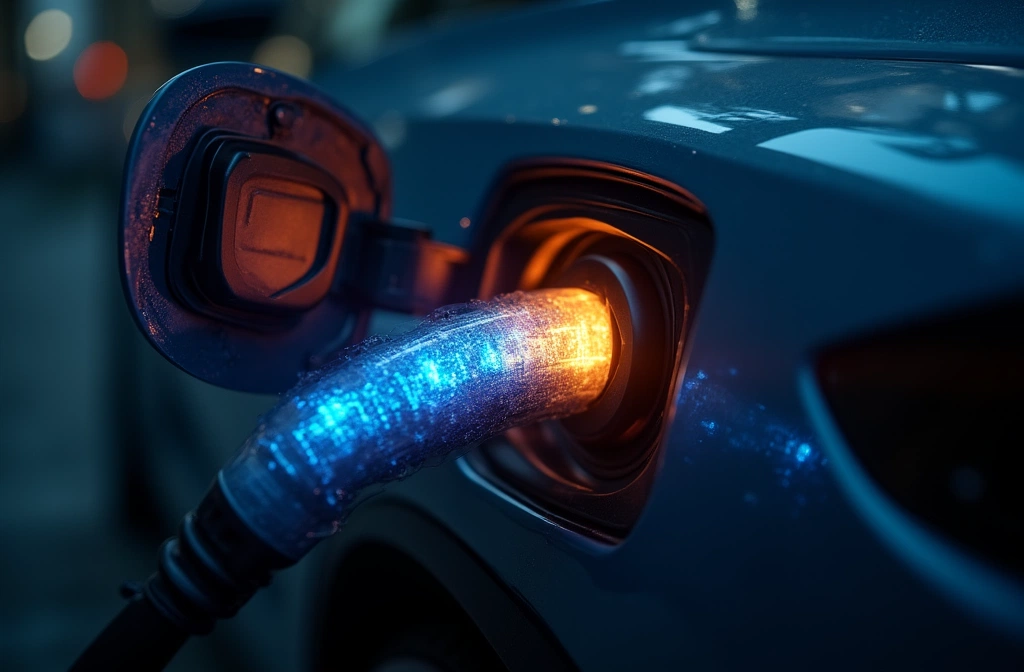
According to EVShift, General Motors is deploying bidirectional directional charging across its vehicle fleet and packaging home energy solutions around this capability. The reporting describes GM's strategy as enabling vehicles to function as either blackout buffers or grid-interactive assets, though specifics on deployment timeline, rollout scope, and technical architecture remain limited in available reporting.
Why this matters: Bidirectional charging (vehicle-to-home/V2H capability) fundamentally changes the relationship between private vehicles and grid infrastructure. In principle, it could provide distributed resilience—using EV batteries as emergency backup during outages. But it also creates new network dependencies: vehicles become dual-purpose grid nodes, requiring persistent connectivity, authentication systems, and remote control protocols.
The convergence itself is neither threat nor solution in isolation. It depends entirely on implementation: Are these systems air-gapped during blackouts or dependent on cloud connectivity? Who controls discharge authorization? How are these systems secured against unauthorized access or manipulation?
Historically, infrastructure consolidation has repeatedly created unintended vulnerabilities. The post-NERC reliability standardization era (2005-2015) improved grid visibility but also created new single points of failure in control systems. Distributed generation adoption has strengthened resilience in some scenarios while introducing new coordination challenges in others.
What matters next: Watch for regulatory guidance on V2H cybersecurity standards, especially around authentication and local vs. remote control authority. Monitor whether other automakers follow GM's approach—adoption velocity will determine how quickly this becomes systemic infrastructure concern. Track GM's statements on whether these systems maintain function during grid-wide outages or depend on network-connected authorization.
The technology itself is defensible. How it's implemented, controlled, and secured will determine whether it strengthens or complicates grid resilience.
