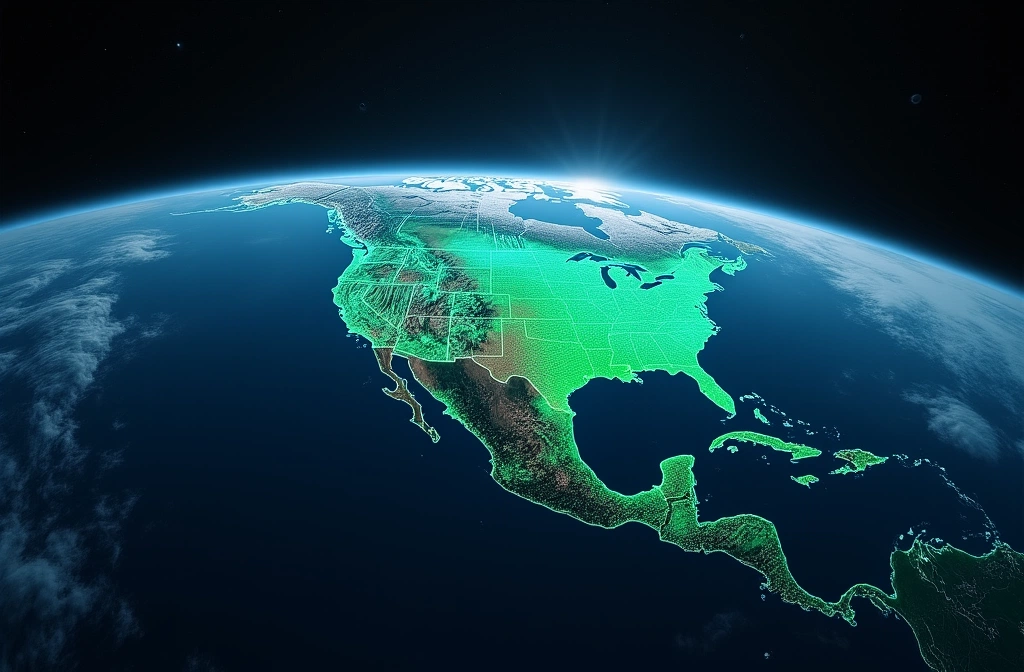
According to Hackaday, the National Oceanic and Atmospheric Administration (NOAA) has announced that GOES-19, its newest Geostationary Operational Environmental Satellite, has gone offline. NOAA is currently investigating the cause of the failure.
GOES satellites are critical infrastructure for North American weather forecasting, severe storm detection, space weather monitoring, and environmental observation. These systems operate in geostationary orbit—fixed positions above the equator—and provide continuous, real-time data feeds that ground systems, emergency management agencies, and the broader National Weather Service depend on.
The loss of GOES-19 represents a reduction in redundancy and monitoring capacity. NOAA operates multiple GOES satellites (GOES-16, GOES-17, GOES-18, and the now-offline GOES-19) to ensure continuous coverage. When one goes down, the remaining satellites must cover larger areas, potentially creating gaps in data resolution and update frequency—particularly critical during severe weather events, tropical cyclone formation, and space weather phenomena.
The cause remains under investigation. GOES satellites face multiple operational hazards: solar radiation damage, micrometeorite impact, component degradation, and solar particle events. Without confirmation from NOAA on the root cause, the timeline for restoration is unknown.
What matters for preparedness: satellite-based weather and space weather monitoring directly inform tornado warnings, hurricane forecasts, and geomagnetic storm alerts. Degradation of this capability doesn't create immediate threats, but it underscores a critical dependency on aging and limited space-based infrastructure. The U.S. weather and early-warning ecosystem has narrow margins for redundancy.
Watch for NOAA's official investigation results and any statements about timeline for restoration or operational adjustments to compensate for GOES-19's absence. Monitor whether other GOES satellites experience anomalies in the coming weeks, which could suggest a common environmental cause affecting the constellation.
