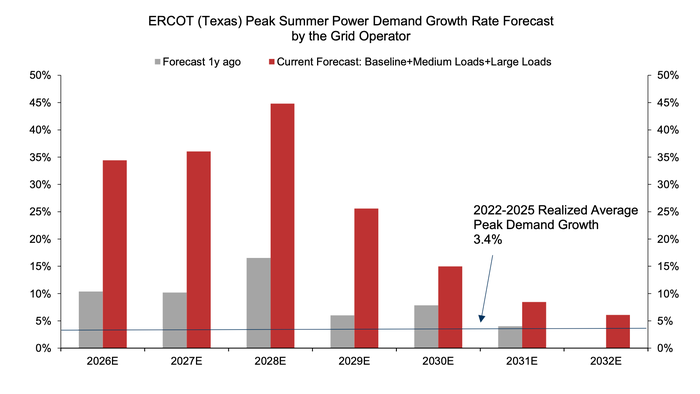
According to reporting flagged via ZeroHedge, Goldman Sachs has identified a concerning imbalance in Texas's power infrastructure: data centers are being planned and deployed at scale, but new electrical generation capacity is not keeping pace with demand.
This is a structural problem, not a temporary bottleneck. Data centers—the backbone of cloud computing, AI training, and enterprise infrastructure—are power-intensive operations that require constant, reliable baseload electricity. When deployment outpaces generation capacity, grid operators face pressure to manage load across an increasingly tight margin.
Texas's grid (ERCOT, the Electric Reliability Council of Texas) has managed past stress events, but it operates with less reserve margin than many U.S. grids. A sustained supply-demand gap could mean:
For Infrastructure: Localized demand response (power curtailment agreements) could become more frequent. Data center operators may face contractual pressure or rolling load management during peak demand periods.
For Reliability: Tighter margins reduce buffer capacity for unexpected generation outages, weather events, or transmission failures. This doesn't mean blackouts are imminent—ERCOT has protocols—but it means less room for error.
For Preparedness Planning: This signals a medium-term vulnerability in one of the nation's largest economic corridors. If generation doesn't expand to meet demand, grid operators will depend more heavily on demand-side management, which can cascade to consumer-facing impacts during stress events.
The core issue Goldman Sachs appears to have flagged is one of timing: infrastructure development cycles move faster than power plant construction. New generation (whether natural gas, nuclear, or renewable) takes years to permit and build. If that gap persists, Texas may face a period of elevated grid strain before new capacity comes online.
What to Watch: Monitor ERCOT's generation forecasts and any public statements from grid operators about reserve margins heading into summer 2026 and beyond. Announcements of new generation projects in Texas would be a positive signal of gap closure.
