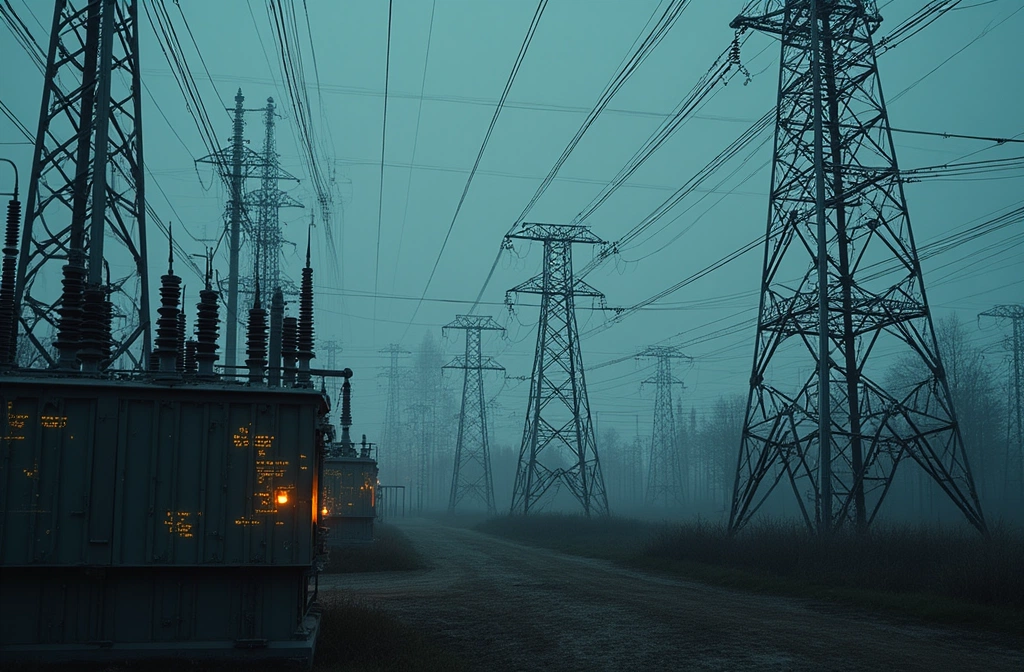
The national electricity grid has achieved notable physical stability, but a critical vulnerability is emerging as the system decentralizes. According to IT-Online, the increasing integration of private power generation with the main grid is expanding the digital infrastructure's exposure to cyber threats.
Here's the operational reality: distributed energy resources—rooftop solar, battery systems, small generators—are no longer isolated. They're networked. Each connection point is a potential entry vector for adversaries targeting physical grid infrastructure through digital means. IT-Online identifies this as a foundational problem: the grid's physical resilience has improved, but its digital footprint is growing without equivalent security hardening.
This matters because grid cyber incidents don't stay in the digital domain. Compromised SCADA systems, falsified sensor data, or manipulated load-balancing algorithms can cascade into physical blackouts. Private systems connected to the grid multiply the nodes that need monitoring, authentication, and real-time threat response—a scaling challenge most utilities are still grappling with.
The decentralization trend itself is sound energy policy. But according to IT-Online, the security architecture hasn't kept pace. Legacy grid operators designed for centralized control aren't equipped to secure thousands of distributed endpoints, many installed by non-utility actors without grid-hardened protocols.
What to watch: Monitor announcements from your regional grid operator regarding distributed energy resource (DER) cybersecurity standards. If your area is rapidly adding solar installations or battery systems, that's an indicator of grid digitization pace. Grid operators publishing cybersecurity incident reports or issuing vendor alerts on DER vulnerabilities suggest the problem is being recognized—and actively exploited. Pay attention to utilities implementing zero-trust architecture or mandatory firmware updates for residential solar systems; those are defensive signals worth tracking.
