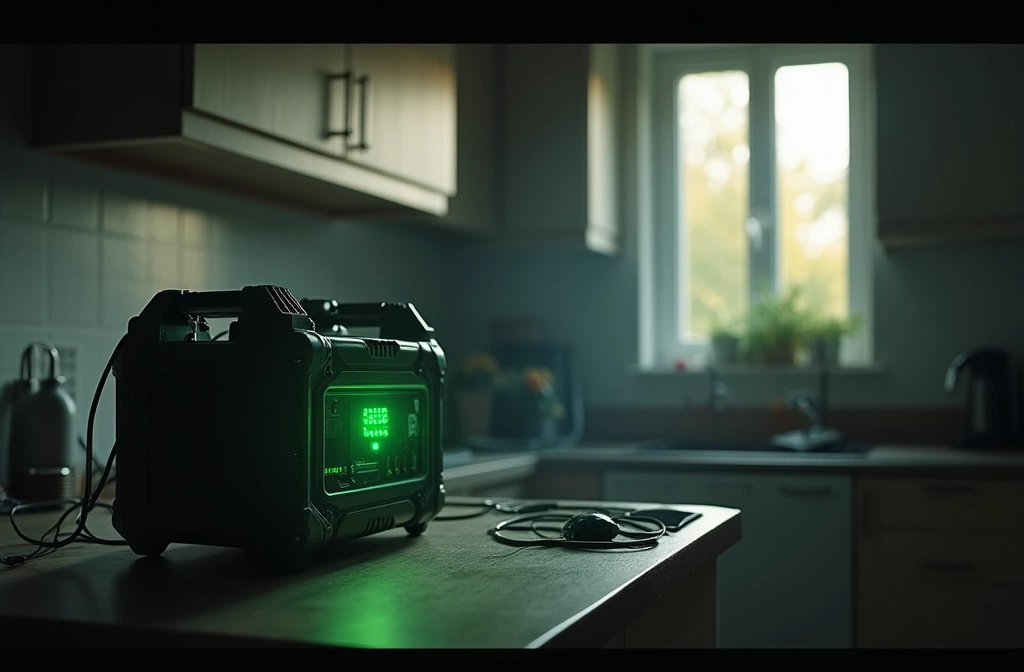
According to The Jerusalem Post, extended blackouts expose a foundational vulnerability: most people lack contingency power for essential systems. The reporting frames the problem clearly: grid outages begin as inconvenience but quickly escalate when air conditioning fails during heat events, refrigeration fails, internet routers go dark, and life-dependent medical devices like CPAP machines lose power.
This isn't new failure mode—it's a pattern recognition problem. The Jerusalem Post's framing suggests portable power stations address a gap that becomes acute during compounded stress (simultaneous heat + outage), when HVAC systems demand peak load precisely when grid is down and medical devices cannot tolerate interruption.
Why this matters: The reporting identifies a cascading exposure chain. A blackout begins as a distribution problem. It becomes a medical crisis when patients dependent on powered devices face hours without alternatives. It becomes a food-safety event when refrigeration fails. It becomes a communications blackout when routers exhaust battery backup. None of these failures require prolonged outage—hours of summer heat without air conditioning, or hours without CPAP ventilation, creates immediate risk.
The signal here isn't that blackouts are new. It's that visibility into grid dependency is increasing, and market response (portable power adoption) is following. This suggests preparedness-conscious households are already repositioning. The Jerusalem Post's editorial angle—treating portable power as 'essential' rather than 'luxury'—reflects a shift in how grid reliability is being discussed in mainstream media.
For infrastructure planning, this indicates a widening gap between grid resilience expectations and actual capacity, particularly during heat-driven peak demand periods when both grid stress and household HVAC load spike simultaneously.
