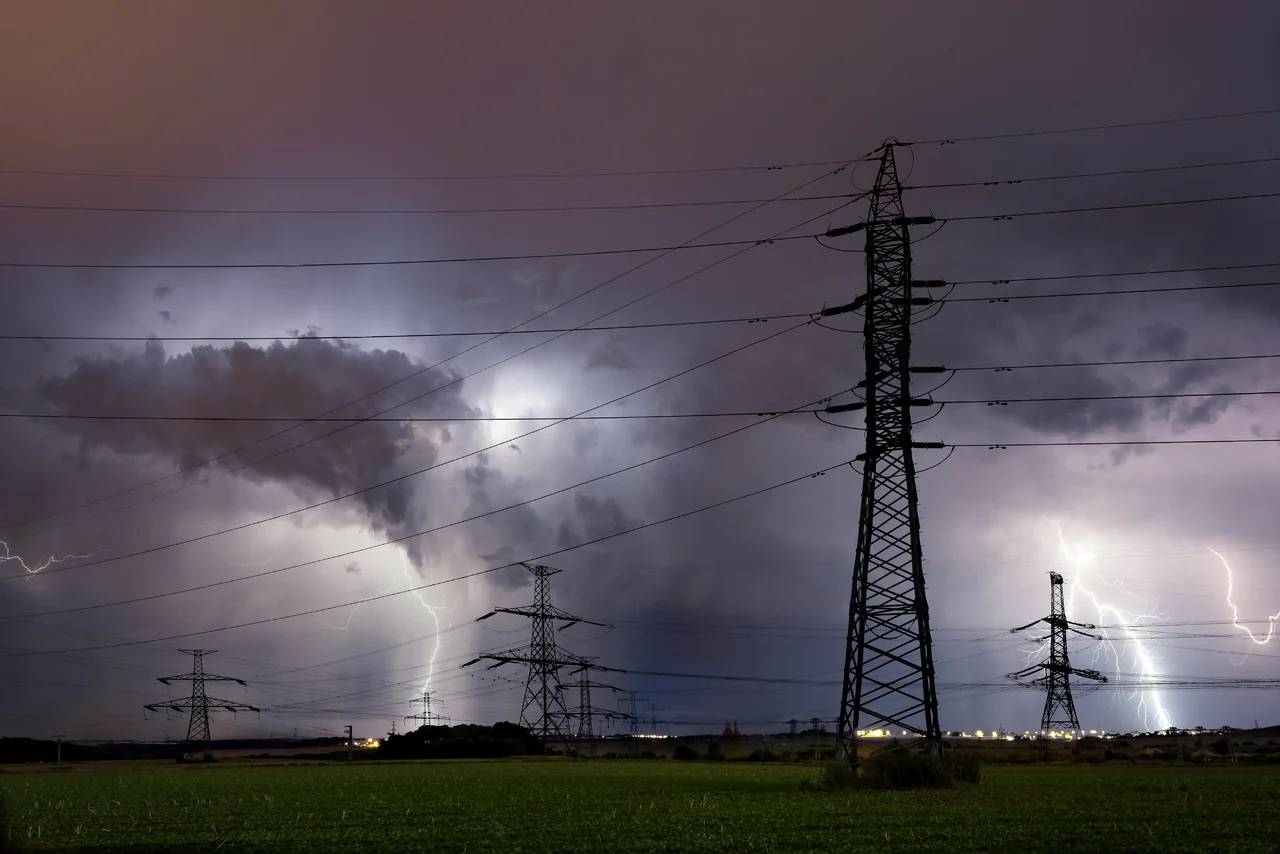
According to Power Magazine, companies across the utility sector are deploying multiple strategies to harden the electrical grid against severe weather and other operational challenges. The effort represents a measurable shift in how the industry is approaching grid resilience.
Why this matters: The grid remains a critical single point of failure for modern infrastructure. Severe weather events—from ice storms to high winds to geomagnetic disturbances—have repeatedly caused widespread, prolonged outages affecting millions. Water treatment, fuel distribution, communications, and medical facilities all depend on continuous power. A resilient grid directly translates to maintained supply chains, emergency response capability, and public health continuity.
The fact that companies are actively deploying "a variety of strategies" suggests the industry is moving beyond passive risk acceptance toward active mitigation. This could indicate:
- Adoption of microgrids and distributed generation to reduce single-point-of-failure dependency
- Upgraded monitoring and automation systems for faster fault detection and isolation
- Physical hardening of vulnerable transmission and distribution assets
- Enhanced redundancy in critical substations and control centers
However, the source provides no specifics on deployment timeline, scope, or which technologies are being prioritized. This matters for context: grid hardening is capital-intensive and geographically uneven. Rural and less-profitable service areas often lag urban deployments by years.
Historical comparison: The 2003 Northeast blackout and the 2021 Texas freeze both revealed that patchwork, incentive-driven upgrades leave systemic gaps. Utilities respond to localized failures, but coordinated, grid-wide resilience requires regulatory push and sustained funding—which remains inconsistent across states.
What to watch: Monitor whether these deployments include distributed energy storage (battery systems), which could significantly reduce recovery time after major outages. Absence of storage investments would suggest incremental hardening rather than transformative resilience.
