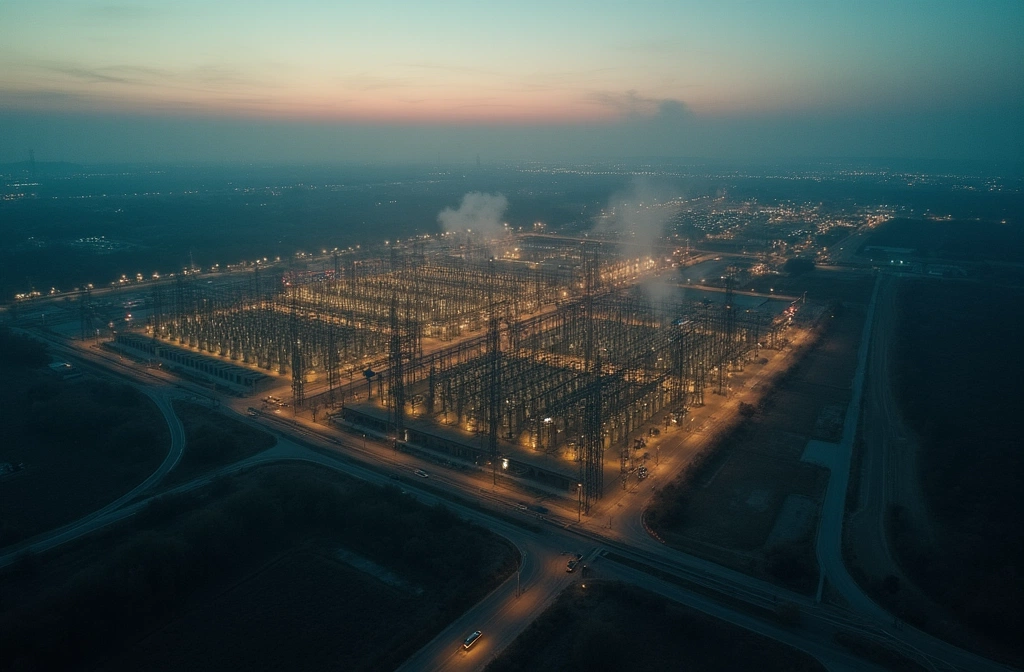
According to Telegraph reporting, UK grid operator Neso reduced the number of shock absorbers deployed to stabilize the electrical grid before a recent blackout risk event. Shock absorbers—technically synchronous condensers or similar grid-stabilizing equipment—are critical infrastructure that help maintain voltage and frequency stability during demand surges or supply disruptions.
The timing of this reduction is the core concern: Neso appears to have weakened grid resilience precisely when conditions may have been deteriorating. This suggests a potential regulatory or operational gap—either Neso lacked clear authority to maintain these safeguards, or cost-cutting and rule reduction took precedence over precaution.
Why this matters: Grid stabilizers are not luxury equipment. They prevent cascading failures when the system faces stress—whether from renewable energy volatility, demand spikes, or generation loss. Reducing their number narrows the margin for error. A blackout or near-blackout event that follows such a reduction can trigger investigations into whether operator decisions directly enabled infrastructure failure.
This is also a regulatory signal. If grid operators are water-down safety rules and that practice goes unchecked, it normalizes cost-first thinking across the sector. Other operators may follow suit, systematically eroding redundancy across interconnected networks.
What to watch: Whether UK regulators (Ofgem and others) mandate minimum stabilizer requirements going forward, and whether this pattern appears in other grid operators' recent filings. A second indicator: whether Neso or similar operators face pressure to further reduce grid hardening measures during energy cost crises.
