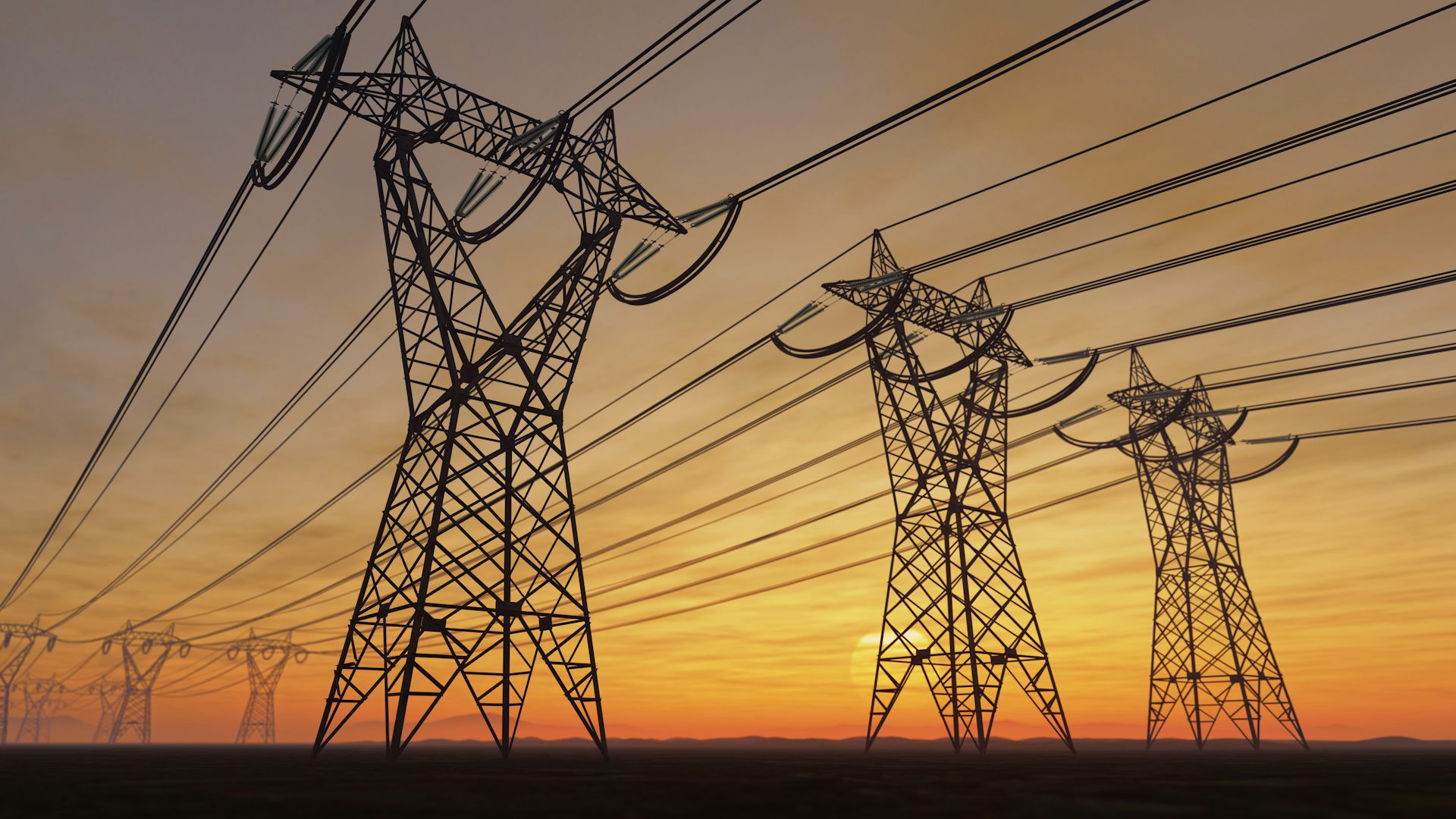
According to The Conversation and UPI reporting, a critical misconception about electrical grid resilience is circulating: that neighboring power grids can simply send excess electricity to help during blackouts. The reality is substantially different and has direct implications for regional outage duration and severity.
The core constraint is mathematical and operational. As both sources explain, only electricity above strict safety thresholds—not total generation capacity—can realistically be treated as available for transfer. Grid operators maintain these thresholds to preserve system stability. Once demand or generation fluctuations push available reserves below that line, no surplus exists to redirect, regardless of total capacity elsewhere.
The second constraint is temporal. Both sources emphasize that power-sharing decisions must be made and logistics arranged before a blackout occurs. This is not a real-time improvisation. Interconnection agreements, transmission pathways, and load-balancing decisions require advance planning and coordination. During an active outage, when communication between systems may be compromised or cascading failures are occurring, initiating new power transfers becomes significantly more difficult and risky.
What this means: during regional stress events—extreme heat, cold, generation failures—the electrical grid may operate with minimal safety margins. In those conditions, the theoretical ability to request power from neighboring systems becomes academic. The reserves simply don't exist. A blackout in one region during peak demand may coincide with equally tight margins in neighboring grids, leaving no practical option for external support.
This is not a new problem, but rising demand and narrowing generation margins are increasing its frequency. The infrastructure for managing these constraints hasn't expanded at matching speed.
What to watch: Grid operators' public statements about reserve margins and interconnection capacity during seasonal stress periods (summer/winter). Widening gaps between peak demand and available reserves in your region suggest tighter margins for error.
