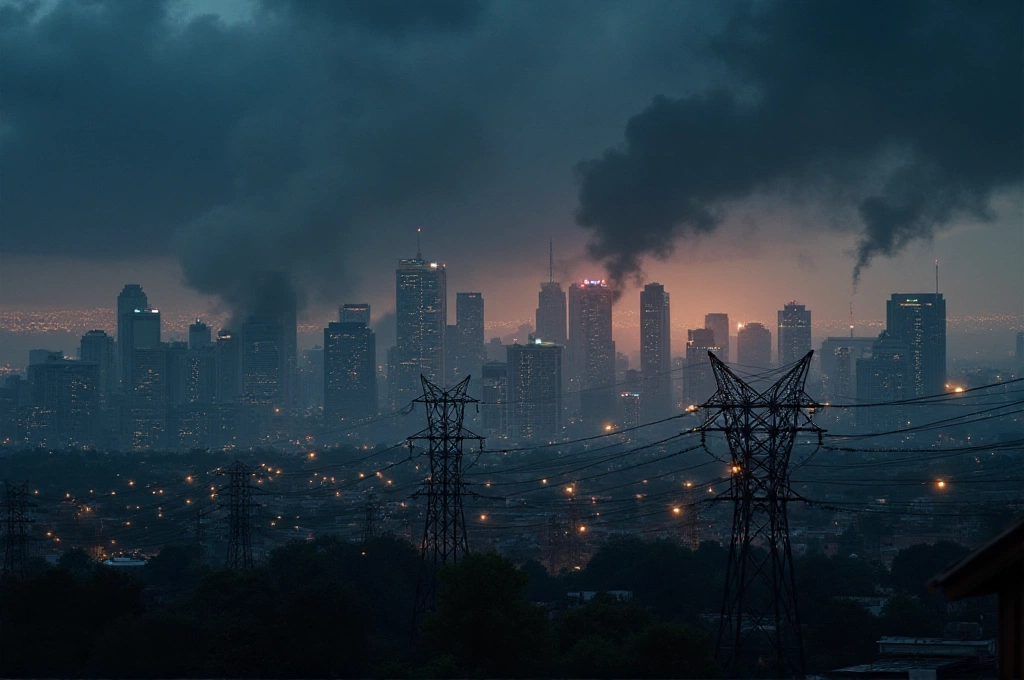
According to a recent account shared via Yahoo Tech, the frequency of blackouts and grid failures is climbing — a phenomenon that has traditionally been a concern for off-grid residents managing water and fuel reserves. What's changed: urban populations now face similar reliability gaps, suggesting the problem is no longer isolated to remote areas.
The trend matters because it points to systemic grid strain. When outages become routine rather than rare, household resilience moves from optional prepping into practical necessity. Cold storage (refrigeration) and climate control (AC) — critical during heat waves — become vulnerable. This creates cascading household risks: food spoilage, medical equipment failure, heat stress, and loss of communication devices.
The source does not attribute outages to a specific cause (weather, infrastructure decay, demand surge, cyber activity, or physical failure). However, the fact that an off-gridder is now comparing urban grid reliability to off-grid challenges suggests a meaningful shift in baseline expectations.
What this signals: Grid operators may be approaching capacity limits during peak periods, or maintenance and upgrade cycles are lagging behind demand. Neither scenario is reversible quickly. The article's framing — contrasting past off-grid concerns with current urban concerns — indicates preparedness-minded populations are already adapting.
The practical takeaway is simple and proportional: households dependent on refrigeration and AC should establish contingency power. A modest battery system or portable generator can bridge 4–12 hour outages. For those in heat-sensitive regions or with medical dependencies, this becomes essential rather than optional. Monitor local utility announcements for maintenance windows and peak-demand warnings.
