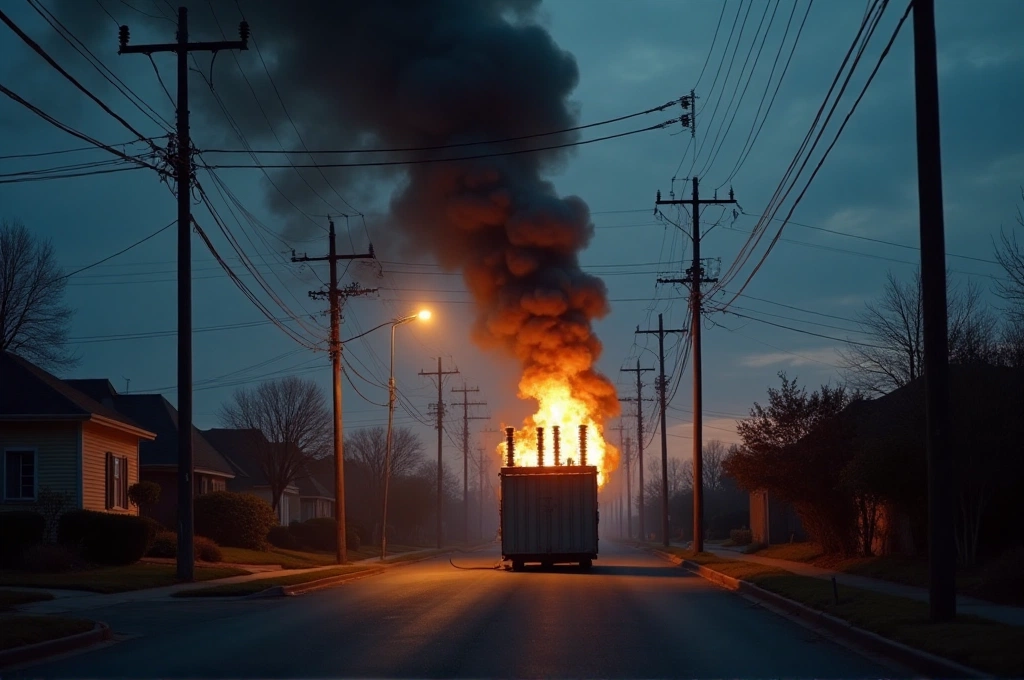
According to Survivopedia, critical infrastructure—bridges, dams, and electrical grids—are operating past designed service life. The warning framework is straightforward: repeated outages, brownouts, overloaded summer demand patterns, winter storm failures, transformer fires, rolling blackout warnings, and utility requests to reduce consumption are all symptomatic of grid stress.
This matters because these are not isolated incidents. They're diagnostic signals. A healthy grid does not repeatedly request conservation or issue rolling blackout warnings. Transformer fires and repeated failures suggest aging equipment operating at or beyond rated capacity. Summer demand spikes and winter storm vulnerabilities expose the system's margins—or lack thereof.
The infrastructure pillar is critical. When dams fail or electrical grids destabilize, the cascade is immediate: water systems go offline, refrigeration fails, communications infrastructure loses backup power, hospitals switch to generators, fuel pumps stop working. Communities lose not just electricity but the systems that depend on it.
What distinguishes this from normal utility maintenance is frequency and type. One transformer fire is maintenance. Repeated transformer fires suggest systematic overload or aging fleet failure. Brownouts and rolling blackout warnings indicate the grid is operating near maximum sustainable load—leaving no buffer for unexpected demand or equipment failure.
WHAT TO WATCH NEXT: The signals that matter are local and observable. Track your utility's actual outage frequency—not the published statistics, but what you experience. Notice seasonal patterns: Is summer demand creating more blackout warnings? Are winter storms triggering cascading failures? Does your utility request conservation during normal weather? These patterns suggest your local grid is running thin. Also watch transformer failure announcements and planned maintenance windows. Utilities that conduct frequent transformer replacements may be replacing failed equipment, not performing scheduled upgrades. If your area experiences three or more unplanned outages in a 90-day period, your local infrastructure is signaling stress. Document it. That's your early warning system.
