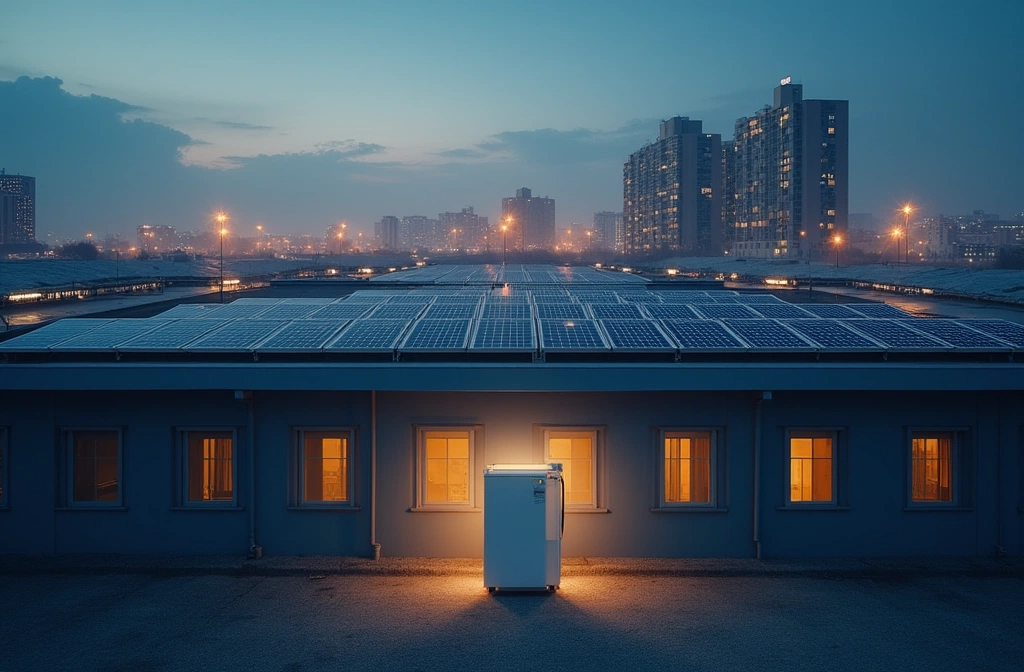
According to reporting on commercial solar adoption, standard grid-tied inverters are engineered with a safety feature called islanding prevention. This mechanism synchronizes the system with grid frequency and voltage, but critically, it also stops the system from operating independently when the grid is down.
This creates a significant mismatch between business expectations and actual capability. Many commercial and industrial users assume rooftop solar will supply backup power during outages, but the technology as commonly deployed cannot deliver that function.
The distinction matters operationally: a facility with grid-tied solar loses all on-site generation the moment utility power fails—despite having solar panels producing energy in daylight. The inverter simply shuts down.
For preparedness-conscious business operators, this surfaces a hard reality about infrastructure dependencies. Solar adoption is accelerating as a cost-reduction and sustainability strategy, but without battery storage or hybrid inverters, it provides no resilience benefit during extended grid events.
The technical solution exists: battery-backed systems or hybrid inverters that can island and operate independently do enable true backup power. However, these cost significantly more than standard grid-tied installations and require additional engineering, permitting, and maintenance.
This gap between marketed capability and actual performance is particularly relevant for critical operations—data centers, medical facilities, communications infrastructure, or supply-chain hubs—where grid loss creates immediate operational and financial exposure.
For businesses currently evaluating solar: verify inverter specifications now, before installation, rather than discovering this limitation during an actual outage. The question isn't whether you have solar panels; it's whether they'll function when you need them most.
