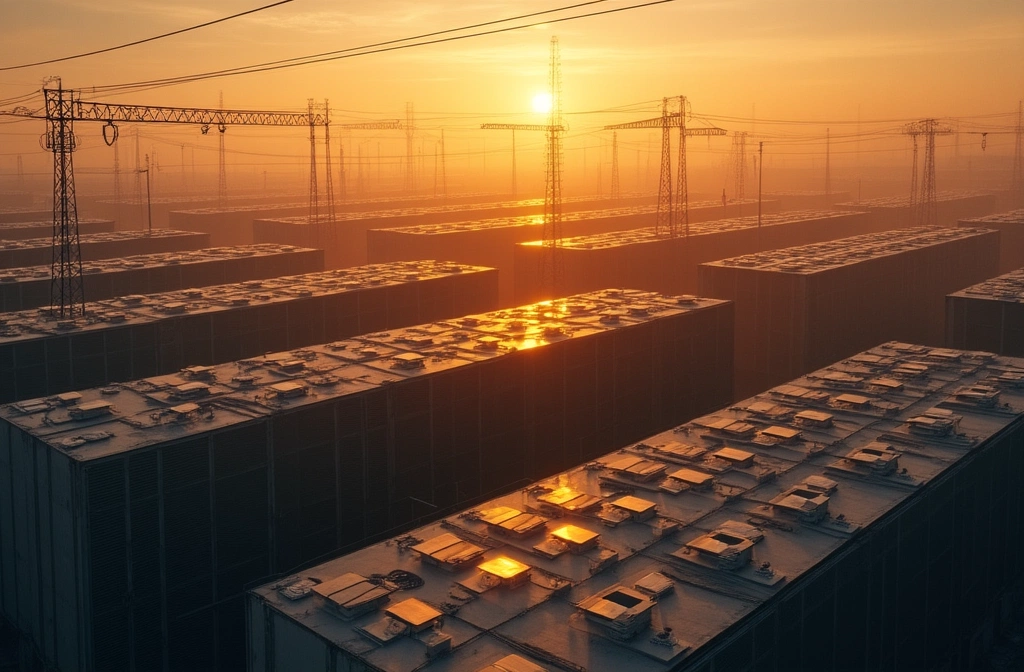
The New York Times reported that as triple-digit temperatures spread across much of the United States, the Trump administration has ordered grid managers to require data centers to use backup power systems that typically remain dormant. This directive appears designed to reduce strain on the electrical grid during acute heat stress.
The significance lies in what this reveals about grid margins. Data centers represent a growing load on regional grids—their power consumption competes directly with residential and industrial demand. Activating backup generators across this sector suggests grid managers may be operating with tighter operational flexibility than historical precedent, or that peak demand forecasting has become more aggressive.
What matters: Backup power systems at data centers are designed for emergency use, not sustained operation. Ordering their activation indicates decision-makers view the current heat event as straining available generation or transmission capacity. If this becomes routine during summer peaks, it signals either growing demand outpacing supply additions, or tighter reserve margins than the grid experienced in previous decades.
The broader picture: This is a tactical intervention, not evidence of imminent grid failure. However, it does establish precedent for direct administrative involvement in grid load management. Watch whether similar orders occur during future weather events, whether backup systems prove adequate to meet demand, and whether grid operators implement permanent load-shedding protocols or demand-response measures in response.
For preparedness context: sustained heat events that stress backup power systems may indicate reduced grid resilience during peak seasons. This doesn't require immediate action, but it reinforces the value of household-level energy contingency planning—backup power sources, load reduction strategies, and heat management for extended outages remain proportional preparations.
