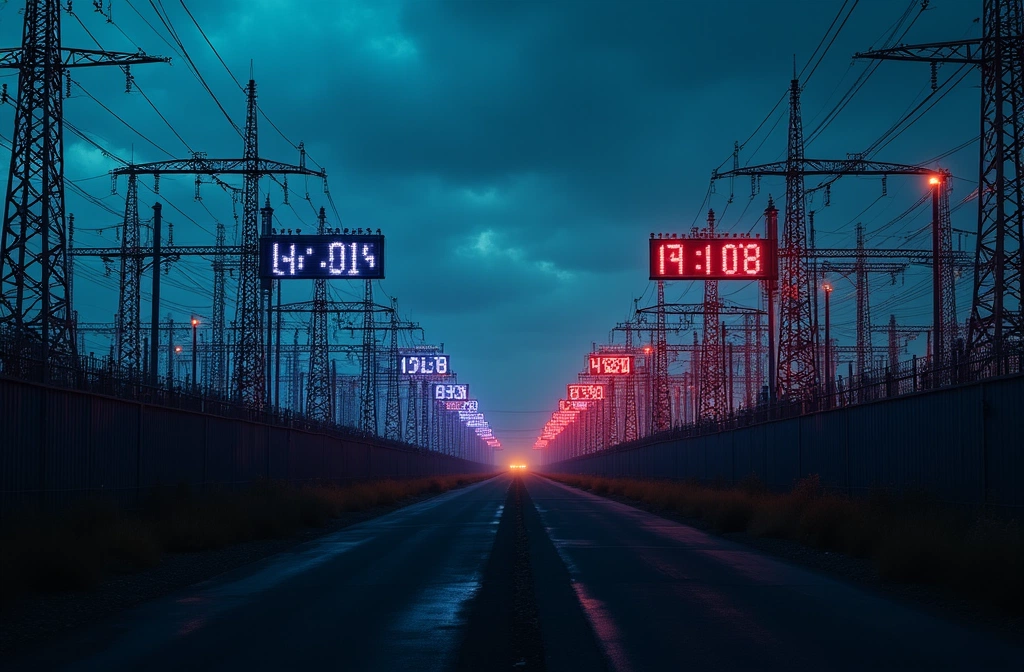
According to ZeroHedge, a grid outage lasting seventeen minutes has been characterized as exposure of fragility in modern civilization's electrical foundations. While the source does not provide specific geographical location, timeline context, or identified cause, the framing suggests this event serves as a case study in infrastructure vulnerability.
The significance of this incident lies not in its duration—seventeen minutes represents a contained event—but in what it may reveal about interconnected systems. Modern power grids depend on split-second coordination across generation, transmission, and distribution. Even brief interruptions can cascade through dependent networks: water treatment, telecommunications, financial systems, and emergency services all rely on continuous grid availability.
ZeroHedge's coverage emphasizes the contrast between public perception of grid robustness and operational reality. This gap between assumed reliability and actual fragility is relevant to anyone dependent on electricity for essential functions—which is to say, everyone.
What remains unknown from available sources: the specific cause (weather, equipment failure, human error, cyber event, or other), affected regions, economic impact, and whether this represents an isolated incident or symptom of broader degradation. Without these details, attribution and systemic analysis are not possible.
For preparedness-minded readers, this event serves as a data point supporting a long-standing principle: grid dependency is a calculated risk. The seventeen-minute window is meaningful not as a timeframe but as a reminder that outages—however brief—can occur. The question is not whether to prepare for electrical interruptions, but whether your preparations account for realistic timescales and dependencies.
