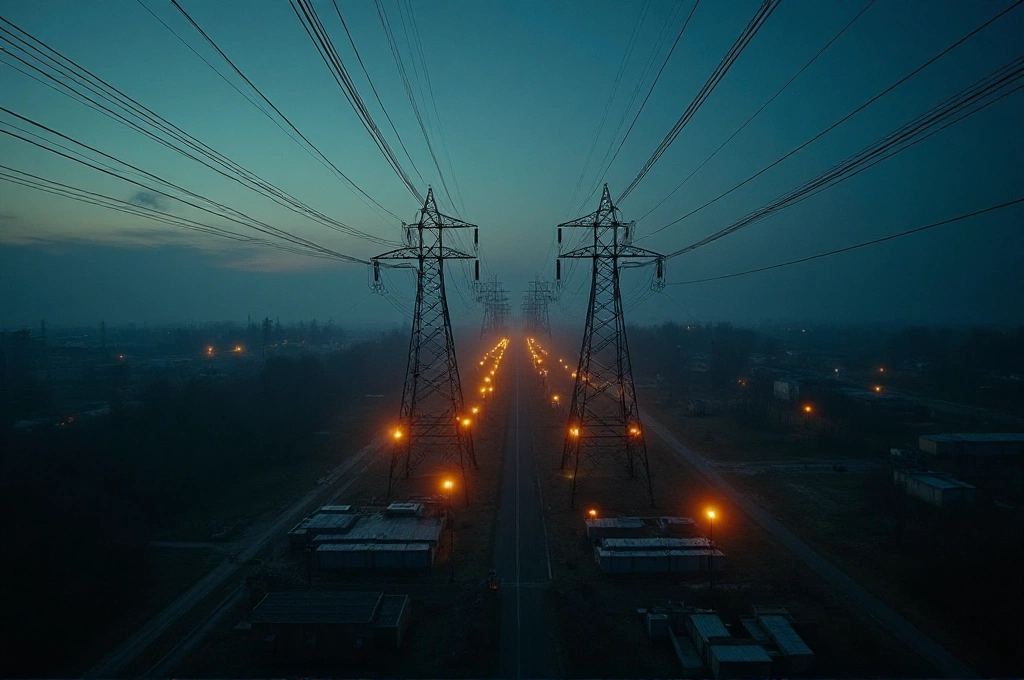
According to reporting by The New York Times, a shortage affecting U.S. electrical infrastructure could trigger cascading grid failure resulting in nationwide blackout. A former Federal Energy official quoted in the Times' coverage identified this vulnerability and assessed it as a potential catastrophic failure vector.
The Times has also reported that since the initial identification of this risk, conditions may have worsened—suggesting the vulnerability window has not narrowed but potentially expanded.
What makes this significant: cascading grid failures don't announce themselves with gradual degradation. They propagate through interdependent systems—generation, transmission, distribution, and demand response—in ways that can overwhelm load-balancing mechanisms. When one segment fails under stress, it sheds load to adjacent segments, which cascade outward. A nationwide blackout doesn't require multiple simultaneous failures; it requires one critical shortage in a strategic chokepoint.
The electrical grid operates on razor-thin margins by design. Reserve capacity, redundancy pathways, and critical component inventories have all been optimized for efficiency rather than resilience. This creates hidden fragility: a single-point shortage in a high-dependency component can paralyze systems across regions.
The Times framed this around a specific operational event (U.S.S. Lincoln's deployment status), but the underlying vulnerability appears structural and persistent. The fact that risk assessment by Federal Energy officials has identified this as a genuine failure mode—not theoretical speculation—elevates the signal.
What to watch: Monitor reporting on electrical grid component shortages, particularly transformer production, specialized relay systems, or rare-earth materials used in grid stabilization equipment. Watch for any statements from FERC (Federal Energy Regulatory Commission) or DOE (Department of Energy) addressing component resilience or inventory strategy. These would indicate whether the problem is being actively managed or merely acknowledged.
