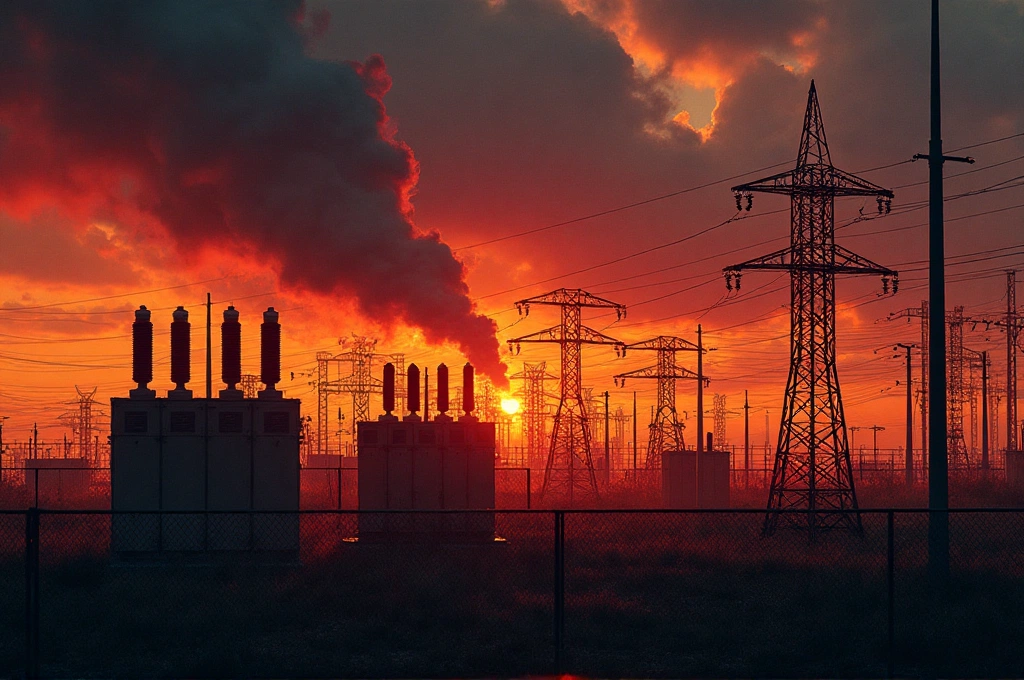
According to reporting on expert analysis, the U.S. electrical grid faces a specific and quantifiable vulnerability: nine coordinated substation attacks could theoretically trigger an 18-month blackout across significant portions of the country. This scenario is not theoretical speculation—it reflects real structural weaknesses in grid architecture and supply chain capacity.
The second vulnerability is equally concrete: large power transformers, critical components for grid restoration, now carry lead times stretching up to four years. This means that even if damage were limited and repairs initiated immediately, replacement components would not arrive for years. In a true blackout scenario, this delay directly correlates to extended outage duration and cascading failures in water treatment, fuel distribution, communications, and medical infrastructure.
Why this matters now: The combination of a known attack surface (nine critical substations) and a crippled supply chain (four-year transformer delays) creates a systemic fragility that did not exist a decade ago. The vulnerability has shifted from "possible but unlikely" to "documented and quantifiable." Grid operators and policy makers are aware of this risk; the question is whether infrastructure hardening and supply chain redundancy are being prioritized at scale.
This is not about certainty of attack—it's about consequences if one occurs. A single natural disaster (ice storm, wildfire) that damages transformers faces the same four-year replacement timeline. The grid's fragility is structural, not dependent on adversary intent.
What to monitor: Watch for policy announcements around transformer manufacturing capacity expansion, substation hardening initiatives, and strategic spare parts stockpiles. These are leading indicators of whether critical infrastructure investment is matching the identified risk.
