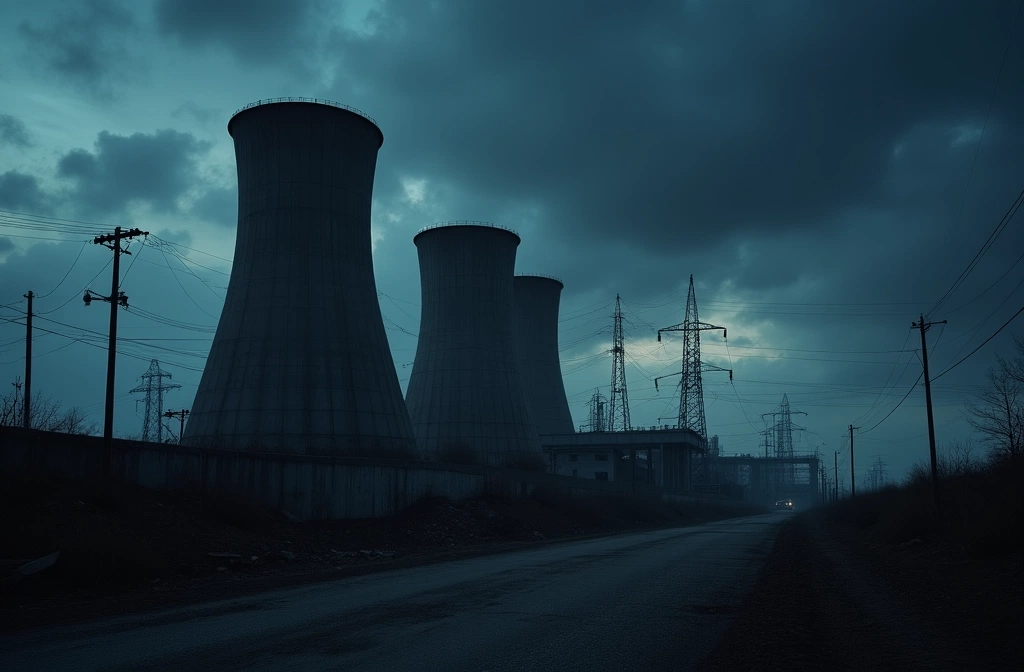
According to CubaHeadlines, the Guiteras Power Plant in Matanzas will not return to the national grid (SEN) on Sunday as previously expected. The facility went offline on June 24, removing 250 MW of stable generation from a system already operating at critical stress levels. CubaHeadlines reports that Matanzas—where Guiteras operates—currently endures blackouts lasting 22–24 hours daily, suggesting the region's dependence on this single facility and the vulnerability created by its prolonged absence.
Before the outage, Guiteras supplied what CubaHeadlines characterizes as "a critical slice" of generation to a system "teetering on the brink of total collapse." The delayed restart, attributed to unspecified maintenance or repair requirements, signals two immediate concerns: first, the grid's capacity to absorb extended losses from major generation assets; second, the cascading impact on load shedding schedules and rolling blackouts across connected regions.
The significance here is structural, not procedural. A 250 MW gap in a fragile grid forces operators to shed load elsewhere—shifting blackout burden to other municipalities, straining backup systems, and extending the duration of outages for consumers dependent on rotation schedules. For preparedness-aware readers, this underscores the risk of regional blackouts extending beyond forecasted windows when single-point failures compound systemic weakness.
What to watch: Monitor whether Guiteras restarts in the days following Sunday, or if delays extend further. Repeated postponements would indicate either equipment damage more severe than initial assessments, or resource constraints preventing repairs—both signals of grid fragility. Track reports of blackout extensions in Matanzas and adjacent provinces. If rolling blackout schedules expand or durations increase markedly, the grid may be approaching operational limits where even moderate outages trigger wider cascades.
