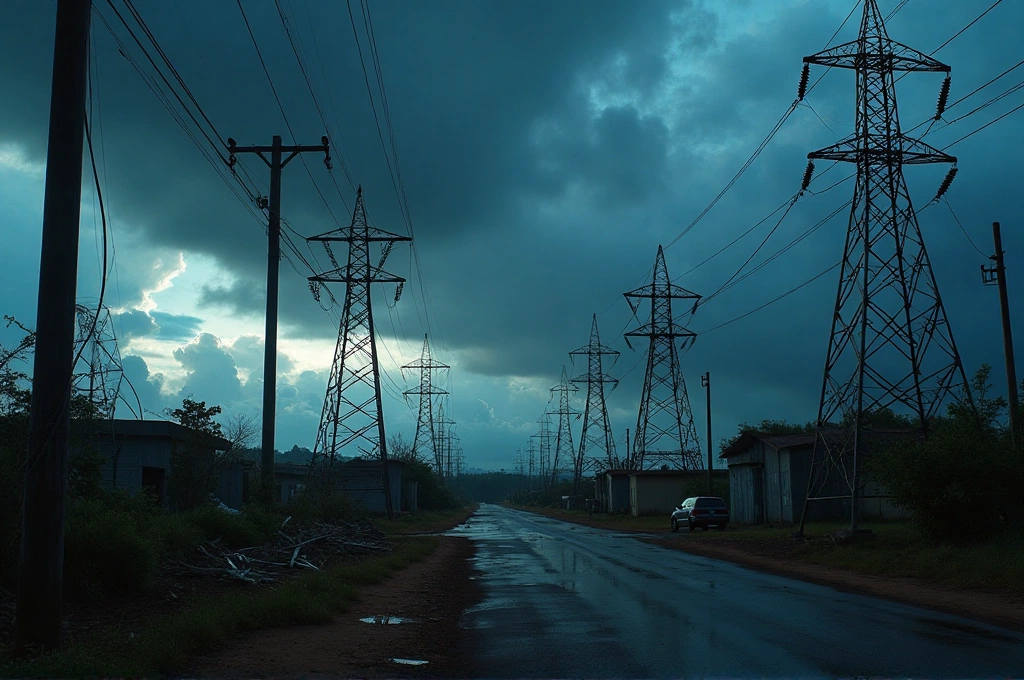
Hurricane Lala has delivered immediate, measurable damage to Hawaii's physical infrastructure: roofs torn from structures, trees uprooted, and roads blocked by mud and rock. The operational impact is stark—thousands of homes and businesses remain without electrical power, according to reporting from the Sun Sentinel.
The critical timeline issue: cleanup operations are still underway when forecasters are already warning of the likelihood of another tropical storm forming southeast of the islands. The timing creates a cascading vulnerability.
Why this matters for preparedness infrastructure:
Power Grid Recovery Window. Downed lines and damaged poles need time to repair. A second tropical system arriving while crews are still restoring the primary network could reset recovery timelines by days or weeks. Hawaii's island geography means limited redundancy—damage to transmission corridors can't be rerouted through alternate grids.
Supply Chain Friction. Blocked roads from debris (mud and rock) directly impede generator fuel delivery, repair crews, and emergency resources. A second event compresses the window for restocking before conditions deteriorate again.
Communications Vulnerability. Thousands without power means cell towers operating on backup battery reserves. Extended outages create information vacuums during active weather threats—precisely when situational awareness is critical.
What to Watch Next
Monitor NWS/NOAA forecast updates for the forming system's track and intensity. The key indicator of escalating risk: if the secondary system moves onto a collision course with Hawaii before grid restoration reaches 80%+ in affected zones. Track reported restoration percentages by island—if major islands remain below 50% power while the new system enters the forecast cone, that's your signal of compounding failure conditions.
Secondary signal: road clearance status. If debris removal is still incomplete on primary supply routes when tropical storm warnings are issued, expect logistics constraints to sharpen significantly.
This is a straightforward infrastructure stress test—not a worst-case scenario, but one where timing matters. Hawaii has weathered multiple cyclones before. The difference here is the compressed recovery window.
