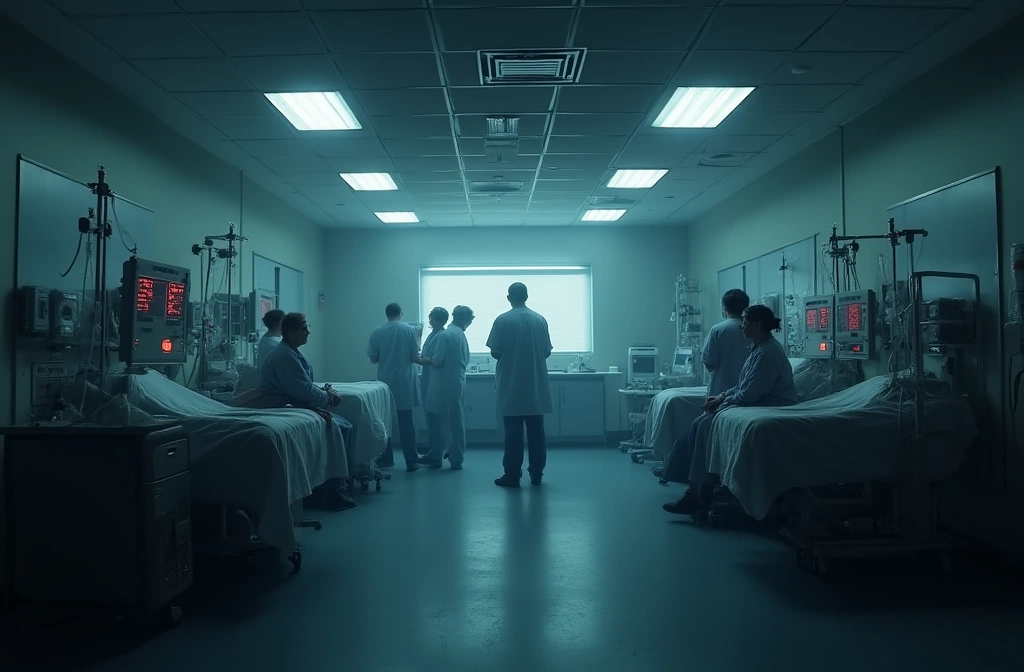
According to new research cited by Harvard Health, measurable health risks begin to emerge when a power outage reaches eight hours. This threshold matters because the average US power outage now lasts approximately 11 hours—meaning most citizens experience conditions beyond the safe window.
The concern is compounded by structural vulnerabilities. An aging energy grid combined with severe weather patterns is driving longer and more frequent outages across the country. This is not theoretical risk: the data shows blackouts are both lasting longer and occurring more often than historical baselines.
Why this inflection point matters for preparedness planning: eight hours is the boundary between temporary inconvenience and physiological stress. Medications requiring refrigeration become unstable. Vulnerable populations—elderly, immunocompromised, those dependent on powered medical devices—face genuine danger. Food safety degrades. Communication systems weaken as backup power in cell towers depletes.
The systemic implication is stark. If the average outage exceeds the health risk threshold by three hours, then standard household preparedness (typically designed for 24-48 hour resilience) masks a gap: the first eight hours are now a medical vulnerability window, not a comfort buffer.
What to watch: outage duration data over the next 12-24 months. If average blackout length continues climbing—particularly in regions with aging infrastructure—you're watching a trend that compresses the margin between everyday reality and crisis conditions. Track reports from your regional grid operator on planned infrastructure upgrades and storm response times. Also monitor whether hospitals and utilities are adjusting backup power protocols in response to this research.
