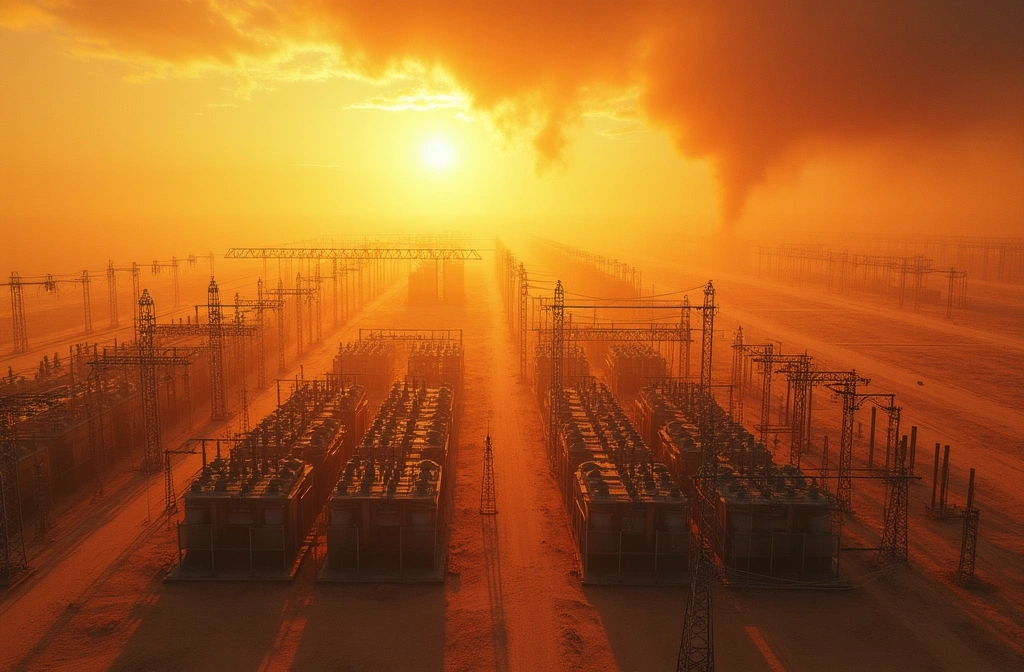
According to a February 2025 Environment and Climate Change Canada (ECCC) report, prolonged periods of extreme heat events can strain the power grid. This assessment, cited by Global News, establishes a direct causality between sustained high temperatures and grid vulnerability—a critical distinction for preparedness planners.
Why this matters: Power grids are designed with thermal margins. Peak demand during heat waves coincides with maximum air conditioning load, precisely when generation capacity may be compromised by heat-related equipment failures, reduced efficiency in cooling systems, and transmission losses. The ECCC finding suggests this is not a fringe scenario but an acknowledged systemic vulnerability.
The timing is significant. A February 2025 report reaching mainstream coverage in July 2026 indicates either delayed media pickup or gradual institutional acknowledgment. Either way, grid operators have had 18 months to absorb this signal and adjust operational protocols.
What cascades from a heat-wave blackout differs sharply from other grid events: water treatment halts (dehydration risk in extreme heat), medical refrigeration fails (insulin, vaccines, medications), and the cooling infrastructure itself becomes useless without power. Vulnerable populations—elderly, immunocompromised, those on power-dependent medical devices—face compounding risk. Unlike winter storms where short-term endurance is the survival metric, summer blackouts in heat waves create life-threatening conditions within hours, not days.
The ECCC framing as "strain" rather than "failure" suggests degradation scenarios are most likely: rolling blackouts, rotating outages, or localized shedding rather than total grid collapse. But strain is still operational risk, and it may be unevenly distributed across regions and demographics.
What to watch: Grid operators' public statements on summer reserve margins, any announced demand-response programs, and whether utilities begin pre-positioning mobile generation or load-shedding protocols before the next heat season. Regional variation matters—coastal grids with hydroelectric capacity behave differently than inland systems dependent on thermal generation.
