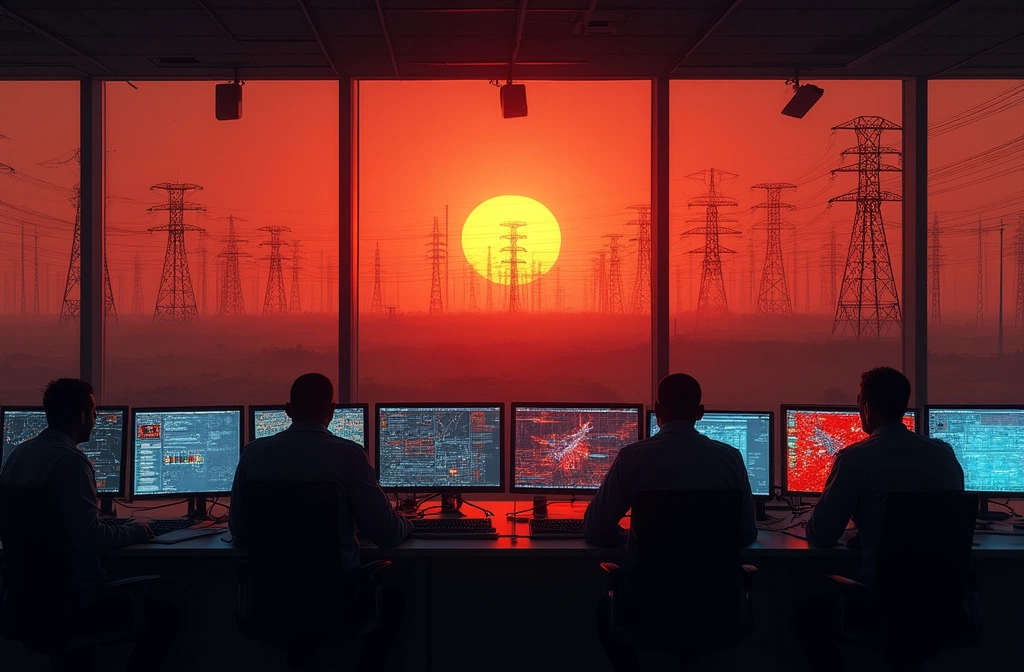
According to Morocco World News, a heatwave combined with a technical fault produced widespread power outages across Algeria and Morocco on July 17, 2026. The specific nature of the technical failure—whether transmission line damage, transformer overload, software malfunction, or control system error—was not detailed in available reports.
This pattern is operationally significant: extreme heat increases electrical demand sharply while simultaneously degrading transformer efficiency and reducing transmission line capacity. When grid stress coincides with any technical vulnerability, cascading failure becomes probable. The 2003 Northeast blackout in North America demonstrated this dynamic—a software bug in an Ohio control room, combined with concurrent line failures during high-demand conditions, cascaded into the largest grid failure in U.S. history.
What matters here is not the event itself, but the signal it sends. North African grids—particularly in water-stressed regions—are already operationally tight. Summer cooling demand grows annually. If infrastructure maintenance lags behind thermal stress, the frequency of heat-triggered outages will increase, not decrease.
The outage's geographic scope (multi-country) suggests the fault propagated across interconnected transmission systems, which is normal grid behavior but indicates limited isolation capability between regions. Recovery time, affected population, and whether cascading blackouts occurred in neighboring countries remain unreported.
What to watch: Monitor whether similar outages spike during subsequent heatwaves in the region, whether official grid operators issue capacity warnings, and whether infrastructure investment announcements follow. Repeated heat-triggered failures typically precede grid modernization declarations—or, conversely, acceptance of rolling blackouts as operational baseline.
For readers in thermally stressed regions (Southwest U.S., Southern Europe, parts of Asia), this is a baseline check on local grid resilience during your next peak-demand season. Request your utility's published heat-stress protocols. Absence of a public plan is itself informative.
