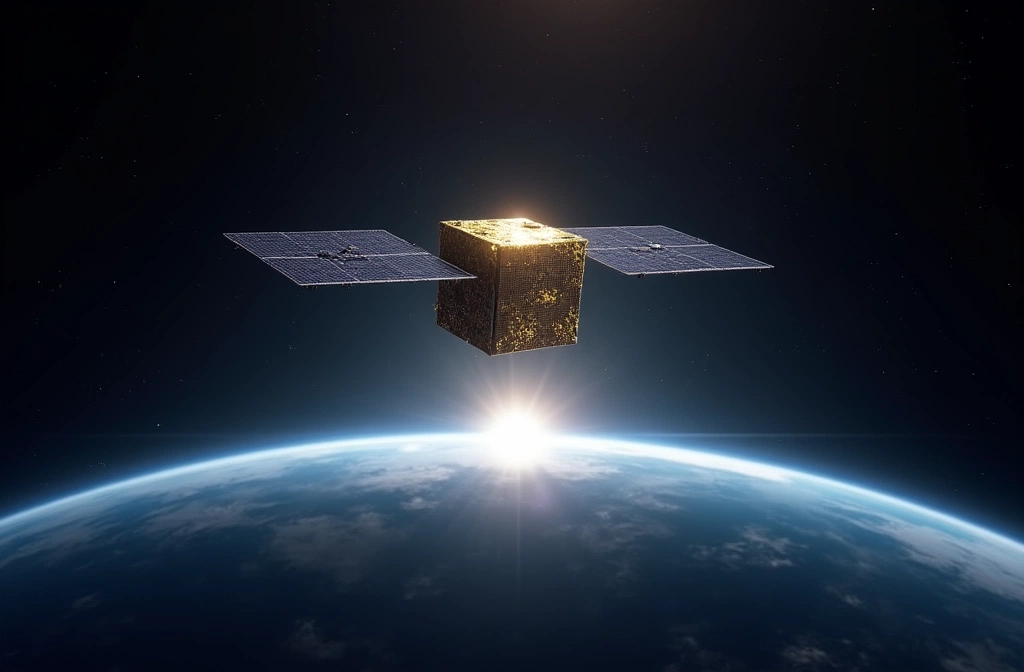
According to Space Daily, the HENON CubeSat—a small satellite carrying a 23-gram magnetometer manufactured in the UK—will launch in early 2027 and operate at a distance ten times greater than existing space weather monitoring platforms. This positioning could extend advance warning periods before major geomagnetic storms reach Earth's magnetosphere.
Why this matters: Current solar storm detection relies on satellites positioned relatively close to Earth—primarily NOAA's DSCOVR at the L1 point, roughly 1 million kilometers distant. HENON's deployment at a significantly greater distance may allow operators to detect incoming coronal mass ejections (CMEs) and solar wind disturbances earlier, potentially adding hours to warning windows before geomagnetic effects impact power grids, communications networks, and GPS infrastructure.
Geomagnetic storms rated G3 and above already pose measurable risk to transformers, high-voltage transmission lines, and satellite operations. Extended warning time directly improves the ability of grid operators, utilities, and emergency management to implement protective measures: transformer load reduction, equipment safeguarding, and service pre-positioning.
What to watch next: Monitor announcements regarding HENON's development status and launch confirmation in late 2026 and early 2027. Key indicators include payload testing results, mission partner statements, and orbital insertion confirmation. Additionally, track whether other nations or private entities announce similar early-warning satellite initiatives—extended warning capability has become a recognized gap in space weather preparedness globally. Watch for grid operator statements on how they intend to integrate HENON data into operations protocols, as satellite data alone has limited value without operational integration at the infrastructure level.
