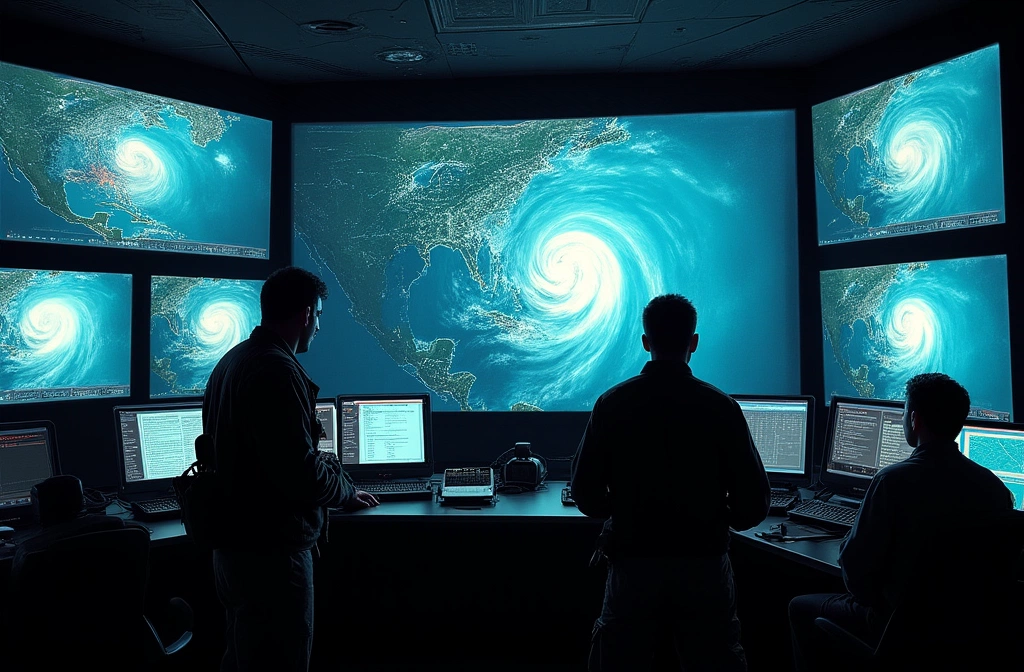
According to an AOL News report published April 16, 2026, hurricane season forecasts have prompted what observers describe as an 'ominous warning' framed in unconventional terms—specifically 'bar-fight rules,' suggesting unpredictability and rapid escalation potential.
The exact parameters of the forecast and the official source issuing it are not detailed in the available signal, but the language choice itself is notable: forecasters typically maintain measured, statistical communication. Resort to colloquial framing ('bar-fight rules') may indicate either confidence in an aggressive season outlook or acknowledgment that traditional forecast models show high variance and low confidence in specific outcomes.
For preparedness-focused readers, the implications are worth tracking:
Infrastructure & Grid Risk: Elevated hurricane uncertainty directly affects power grid resilience planning. Utilities use seasonal forecasts to stage repair crews, pre-position equipment, and adjust maintenance schedules. Unusually aggressive or uncertain forecasts may indicate utilities should assume wider geographic exposure and longer recovery windows.
Communications & Supply Chain: Ports, refineries, and critical manufacturing along the Gulf and Atlantic coasts plan inventory, shipping schedules, and workforce positioning based on seasonal risk. A season marked by unpredictability could mean compressed warning windows and more frequent disruptions to fuel, food, and medical supply chains.
Household & Local Preparedness: The 'bar-fight rules' framing suggests conditions may favor rapid intensification or unexpected track changes. Standard 72-hour preparation windows could prove insufficient if storms develop or shift faster than historical norms.
What to Watch: Monitor official forecasts from NOAA's National Hurricane Center for revised intensity outlooks, confidence intervals, and any language indicating models diverge significantly. Track early-season storm development (May–July) for actual behavior vs. forecast expectations—this will reveal whether the caution is justified or conservative.
The signal here is not panic, but recalibration. If major forecasters are telegraphing elevated uncertainty, supply chains and infrastructure operators are already adjusting. Readers should do the same: verify household emergency supplies now, confirm backup power capacity, and establish communication protocols with family and neighbors before peak season.