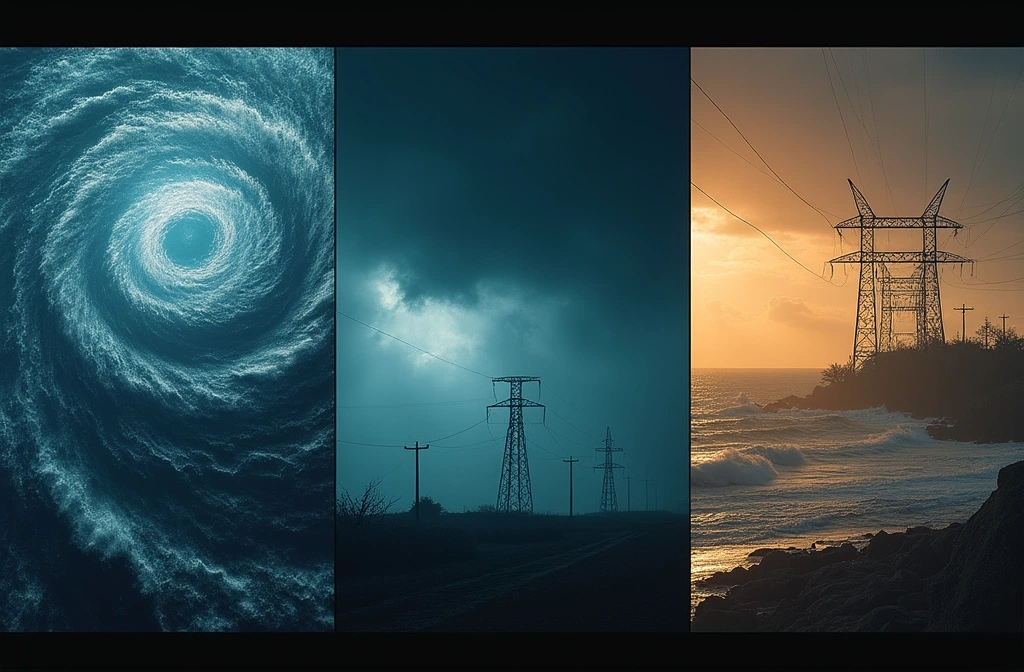
According to the Sun Sentinel, three lesser-known aspects of hurricanes warrant attention as the 2026 Atlantic season approaches on June 1. While hurricane forecasting and storm tracking dominate public discussion, the source highlights dimensions of these events that directly affect preparedness assumptions.
The first insight concerns how hurricanes interact with infrastructure systems beyond immediate coastal impact zones. Storm surge, wind damage, and flooding can disrupt power distribution, water treatment, and transportation networks across broader geographic areas than many assume. Second, hurricane behavior has elements that remain difficult to predict with precision—track shifts, intensity changes, and localized rainfall patterns can vary significantly from forecast models. This variability directly affects evacuation timing and supply chain decisions.
Third, the secondary effects of hurricanes—economic disruption, healthcare access delays, and supply shortages—often persist longer than the storm itself. Recovery from a major hurricane can strain regional resources and interstate logistics for weeks or months, creating cascading pressures on food, fuel, and medical supply availability.
For preparedness planning, this matters because it suggests that standard hurricane preparation (securing property, evacuation routes, emergency supplies for 72 hours) may be necessary but insufficient in scenarios involving major regional storms. Infrastructure interdependencies mean that power loss in one area cascades to dependent systems elsewhere. Supply chain friction from one major event affects product availability in non-impacted zones.
Readers in hurricane-prone regions should treat June 1 as a hard deadline to validate personal supply reserves—not just for immediate impact, but for a 2–3 week window of localized supply disruption. For those managing critical infrastructure or supply operations, hurricane season is a forcing function to audit dependencies on systems outside your direct control: power grids, logistics networks, fuel distribution. A single major landfall tests all of these simultaneously.
