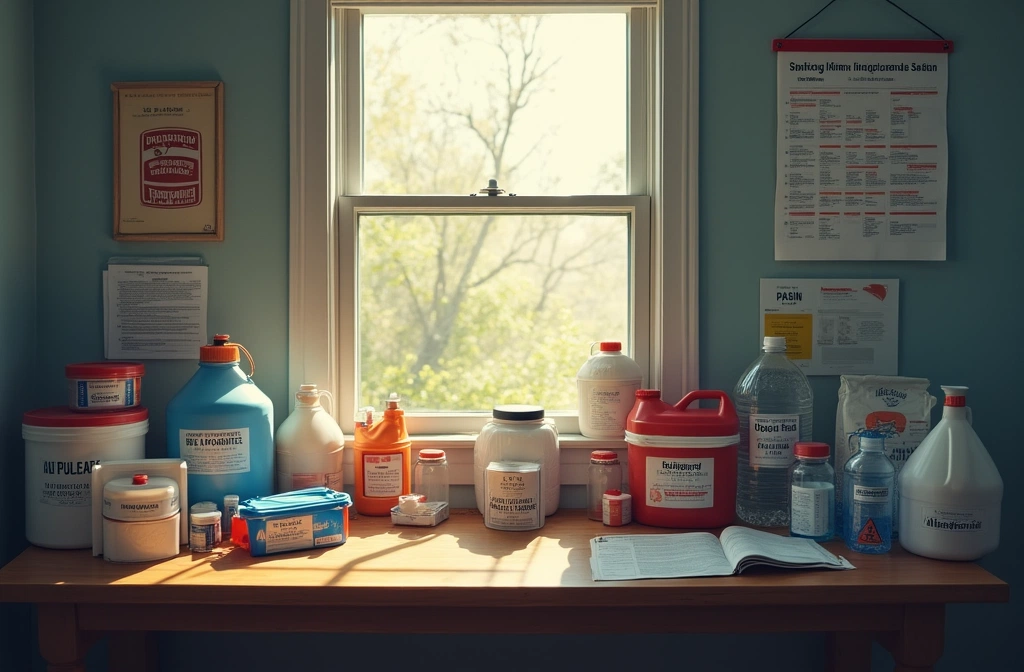
According to WPBF, the start of hurricane season is the operational trigger point for household and property readiness. The outlet has published a 10-item preparation checklist intended to help residents avoid last-minute scrambling when warnings escalate.
This matters because hurricane season preparation is time-sensitive. Once watches or warnings are issued—typically days before landfall—supply chains compress, fuel stations queue, and reactive decisions replace planned ones. The checklist framework suggests front-loading decisions and acquisitions now, during the stable pre-season window, rather than competing for resources during active threat periods.
What matters operationally: the specifics of the WPBF checklist are not detailed in the available signal, so readers should review the source directly for the complete 10-item breakdown. However, standard hurricane readiness typically centers on supply stockpiling (water, non-perishables, medications), structural hardening (roof/shutter inspection), power backup systems, document security, evacuation route identification, and communication plan establishment.
The broader pattern here is routine: preparedness professionals consistently recommend the quiet months (May–early June) for these tasks because labor costs are lower, inventory is available, and decision-making is rational rather than panic-driven. Once peak season intensity arrives (August–October historically), both local and national resources strain.
What to monitor: Check your local National Weather Service office for seasonal outlook data as June approaches. That will clarify whether 2026 is forecast as an above-average, average, or below-average season—data that should inform investment priority in specific mitigations (like generator fuel capacity or backup water storage).
The practical play is simple: use May to complete the items you've deferred. This is not about catastrophizing—it's about handling known seasonal risk with the calendar working for you, not against you.
