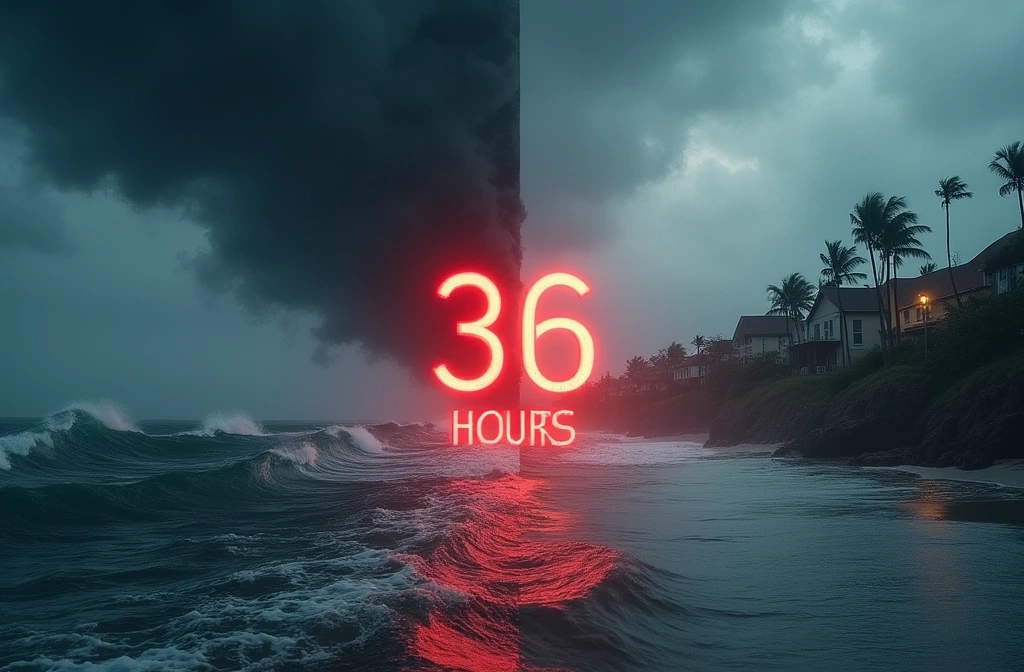
According to the University of North Carolina's Emergency Management and Planning program (as of May 6, 2026), a Hurricane Warning means hurricane conditions are expected within the warning area, with tropical-storm-force winds beginning within 36 hours. This is distinct from other alert tiers and serves as the operational threshold for immediate protective action—not optional preparation.
The distinction matters because forecast language directly drives decision windows. When a Hurricane Warning is issued, the 36-hour clock creates a hard deadline for boarding windows, securing property, and executing shelter-in-place or evacuation orders if issued by local authorities. This is not a suggestion; it is the formal trigger point where preparation shifts to execution.
For infrastructure and grid operators, Hurricane Warnings also signal the final phase before service disruption becomes likely. Water systems, fuel distribution, and communication networks typically harden or reduce operations as conditions approach the warning threshold. Hospitals and emergency operations centers activate full continuity protocols.
The preparedness gap emerges when residents conflate warnings with watches or forecasts. A watch means conditions could develop; a warning means they will or are. That semantic difference collapses a multi-day preparation window into hours. Boarding, fuel runs, supply consolidation, and family coordination must occur before the warning is issued, not after.
Readers in hurricane-prone regions should baseline three actions now: (1) Know your local evacuation zones and routes before storm season peaks; (2) Pre-position boards, fasteners, and tools rather than shopping during the warning window; (3) Establish a family communication plan that assumes cell networks will degrade or fail. These steps compress decision-making when National Weather Service language becomes operational.
Historically, preparedness systems fail not from lack of warning, but from the lag between alert issuance and household action. A Hurricane Warning is the system's final high-confidence alert. Treat it as non-negotiable.
