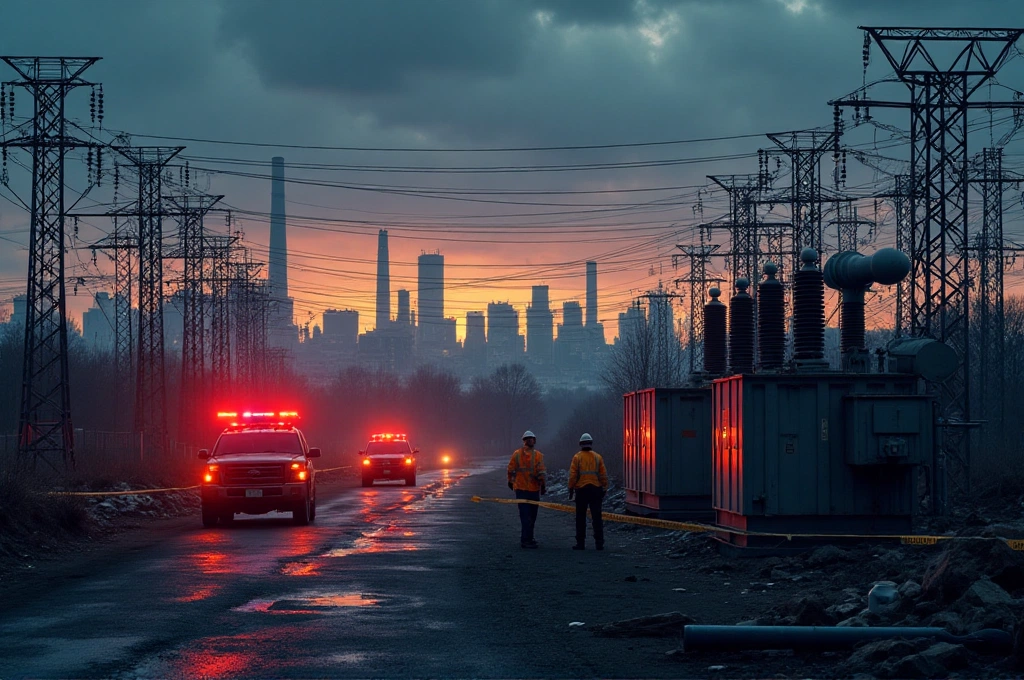
According to NBC News, thousands of residents across northwest Indiana, specifically in Gary, experienced a prolonged power outage extending to at least day 13 of the incident. Governor Braun responded by demanding an investigation into Northern Indiana Public Service Company (NIPSCO), the utility responsible for the region.
This matters because sustained outages affecting multiple communities for two weeks represent a systemic failure — not a localized equipment fault. The scale and duration suggest either: (a) cascading infrastructure damage requiring extended repair cycles, (b) resource constraints limiting NIPSCO's response capacity, or (c) both.
For grid-dependent preparedness planning, extended outages in industrial regions like northwest Indiana carry secondary risks. Gary and surrounding areas depend on power for water treatment, medical facilities, refrigeration, and heating/cooling. Day 13 pushes past the typical "storm recovery" window into sustained infrastructure stress.
The governor's demand for investigation indicates official concern about utility performance and accountability — a signal that routine explanation (weather, equipment failure) may not fully account for the outage duration. NIPSCO's ability to respond, resource allocation decisions, and grid hardening investments are now under scrutiny.
Historically, extended regional outages that trigger gubernatorial investigation often reveal either deferred maintenance, inadequate crew staffing, or aging infrastructure at capacity limits. The 2003 Northeast blackout cascaded partly due to delayed situational awareness and communication gaps between utilities. While this Indiana outage appears geographically contained, the investigation's findings could expose similar systemic weaknesses in Midwest grid management.
Watch for: (1) Official investigation timeline and preliminary findings; (2) NIPSCO's public statement on root cause; (3) whether other utilities in the region report strain or similar incidents in coming weeks; (4) any grid load-shedding or conservation orders issued during the outage period.
