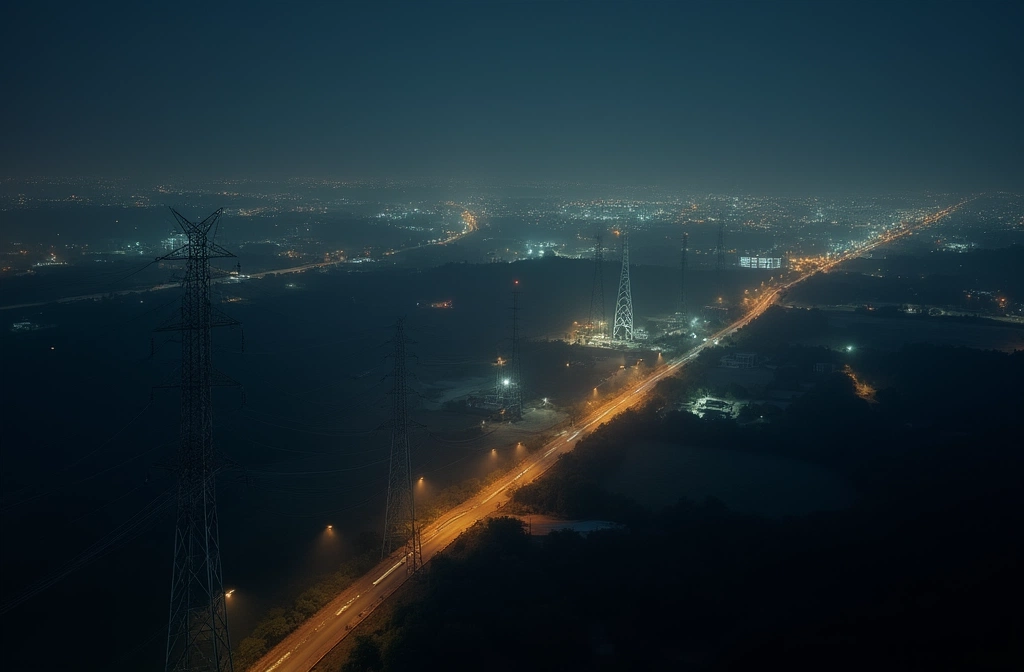
According to The Indian Express, India's peak power demand reached 256 GW in April—a record driven by sustained heatwave conditions. The critical vulnerability: night-time hours now show measurable shortfalls because solar generation drops off precisely when demand remains elevated, and simultaneous forced outages in thermal plants are compounding the gap.
This matters because India's grid is heavily dependent on solar capacity during peak daylight hours. When the sun sets, the system must shift to thermal, hydro, and other baseload sources. The combination of high night demand (from air conditioning and industrial load) plus reduced solar output plus unplanned plant failures creates real-time stress—visible in spot electricity prices spiking.
For infrastructure-focused readers: this is a textbook example of renewable integration strain. Solar-heavy grids can handle daytime peaks efficiently, but the evening ramp—when solar disappears and demand remains high—is a known bottleneck in grids worldwide. India's situation suggests that constraint is now operationally present, not theoretical.
The forced outages are the secondary driver worth tracking. If aging thermal plants are failing under heat stress or maintenance backlog, that reduces the reliability margin the grid needs during evening hours. A single large plant offline during evening demand peak can force rolling load-shedding or price spikes.
What to watch: frequency of spot price spikes, geographic distribution of shortfalls (which regions are most affected), and whether forced outage rate increases into the monsoon season transition. If night-time demand remains elevated while plant availability drops further, rolling blackouts become possible rather than theoretical.
