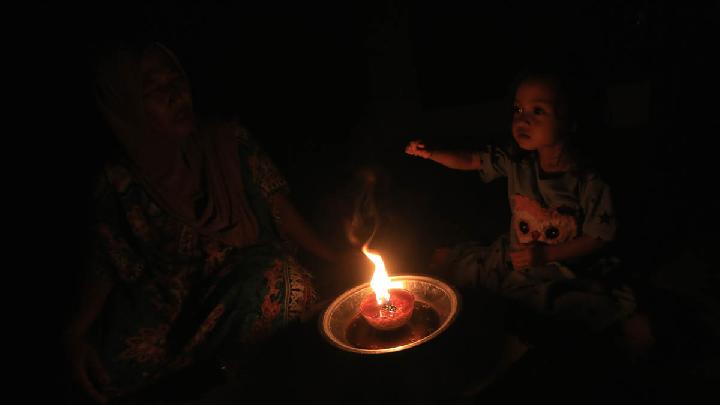
According to Tempo.co, Indonesia has experienced widespread blackouts affecting Greater Jakarta—persisting for a week with varying durations—as well as outages in Cianjur (West Java), Semarang (Central Java), Madura (East Java), and several other provinces. The government has issued a clarification denying rumors that coal shortages are behind the outages, though the source material does not detail what the stated cause actually is.
What matters here: Multi-region, sustained blackouts across a large archipelago suggest either localized generation or transmission failures—or, as speculation has emerged (per Tempo.co), potential fuel supply constraints. When authorities publicly deny a specific cause without offering a transparent alternative explanation, it often signals either incomplete situational awareness or deliberate information control—neither of which is reassuring for grid stability assessment.
The geographic spread—capital region plus multiple provinces across Java and Madura—indicates this is not a single substation failure. The persistence (one week) rules out routine maintenance. This pattern could reflect:
• Demand surge exceeding available generation capacity • Transmission bottlenecks between generation and load centers • Fuel logistics disruption (regardless of official statements) • Aging infrastructure unable to handle seasonal load patterns
For preparedness purposes, the critical signal here is not the blackouts themselves—grid events happen everywhere—but the official denial paired with silence on root cause. Transparent grid operators typically explain outages quickly (weather, equipment failure, demand management). Denial without alternative explanation suggests either institutional weakness or information asymmetry that could mask escalating pressure.
Indonesia's grid serves 270+ million people across dispersed geography. If fuel supply, transmission capacity, or generation adequacy is genuinely the constraint, denial does not fix it—it delays visible crisis until the next stress event.
