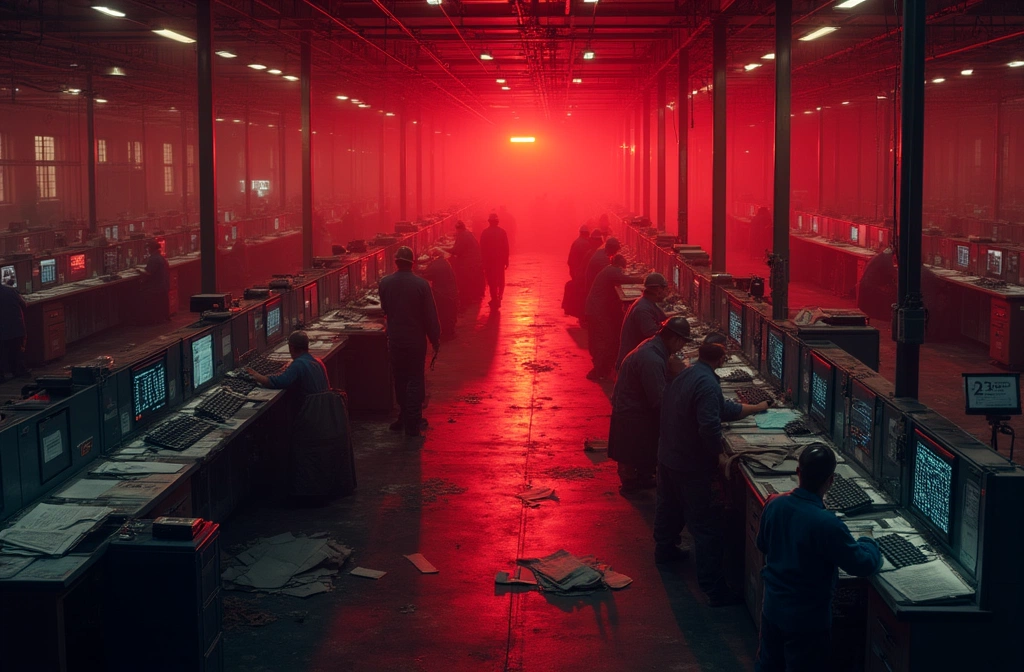
According to INE research highlighted in a GlobeNewswire release (April 30, 2026), ransomware downtime in industrial environments is escalating in both frequency and financial impact. The research underscores a critical shift in threat landscape: operational technology systems—not just IT infrastructure—are becoming primary targets for ransomware campaigns.
The key finding is direct: operational impacts from these attacks are outpacing the narrative built around traditional IT-focused ransomware damage. This distinction matters. When a manufacturing plant, water treatment facility, or power distribution system goes offline, the cost structure is fundamentally different than a compromised corporate email server. Production losses, safety system degradation, and supply chain disruption create exponential damage curves.
Why this matters for preparedness: OT systems typically operate on longer patch cycles, use legacy protocols designed for reliability over security, and sit on networks where the blast radius of a successful intrusion extends directly to physical operations. A ransomware hit on an industrial control network doesn't just encrypt files—it can halt production, corrupt calibration data, or force manual override of automated safety systems.
The timing is significant. INE's research comes as attackers continue to refine targeting strategies, moving beyond spray-and-pray campaigns toward infrastructure-specific exploit chains. Facilities operators in energy, water, manufacturing, and logistics sectors should treat this as a direct threat assessment.
What to watch: Monitor your own operational network segmentation. If your facility's OT systems share the same network perimeter with corporate IT, or if air-gapped systems have recently been connected for "remote monitoring," your attack surface has expanded. Verify that your backup systems are truly isolated—not just logically separated. Ransomware operators now routinely hunt for and encrypt backup infrastructure as their first post-compromise move.
