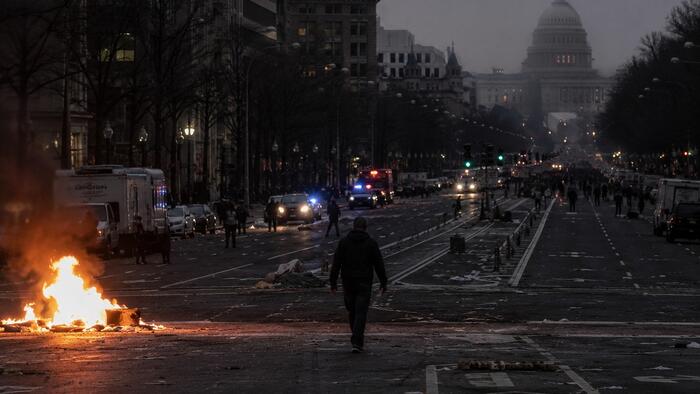
According to ZeroHedge, infrastructure analysts, military planners, and emergency preparedness experts have long flagged a structural problem: modern civilization operates on a dangerously fragile foundation. The article frames grid vulnerability as a known risk that has been documented for decades but remains largely unaddressed at policy and investment levels.
Why this matters: Modern infrastructure—power generation, water treatment, telecommunications, fuel distribution, financial systems, and emergency services—operates on near-total dependence on continuous electrical supply. Most of these systems lack meaningful standalone redundancy or manual backup procedures scaled to serve populations during extended outages.
A single blackout event could trigger cascading failures: water systems lose pressure and become contaminated; hospitals exhaust backup power; fuel pumps stop operating; communication networks collapse; supply chains freeze; banking and ATM systems fail. Unlike regional blackouts, a widespread or sustained grid event would stress mutual aid agreements between utilities that already operate near capacity.
The article does not attribute specific geopolitical causes, recent attack vectors, or timeline predictions. It positions grid fragility as a longstanding structural weakness—a known problem documented by experts across military, infrastructure, and preparedness communities—rather than an imminent or inevitable event.
What to watch: Grid resilience discussions in Congress; utility-level investments in hardening transmission lines and substations; changes in backup power and manual operation protocols at critical infrastructure facilities; and whether federal standards for grid redundancy are strengthened. These indicators will show whether the documented warnings are translating into actual risk mitigation.
