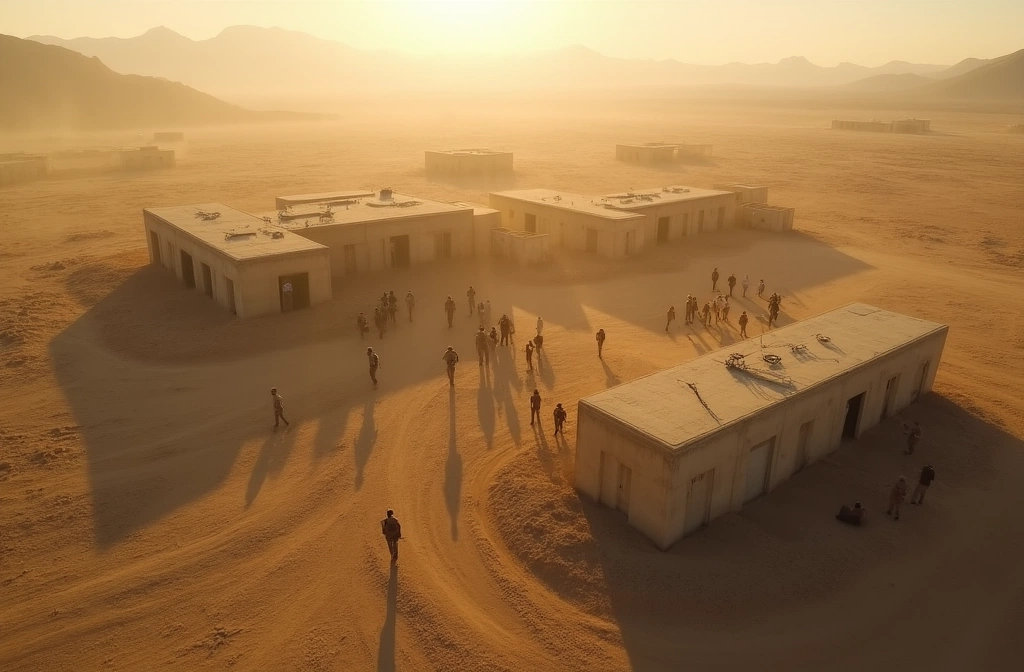
According to CNBC TV18, the US-Iran conflict has now extended three months with no clear resolution in sight. The reported stalemate continues even as diplomatic talks progress. In a significant development, Iran has begun civilian defence training—a measure that typically indicates preparation for extended conflict scenarios and potential direct threats to civilian infrastructure or population centers.
This move matters for preparedness analysis in several ways. Civilian defence training programs historically precede either sustained conflict operations or signaling of resolve to domestic and international audiences. The timing—concurrent with ongoing negotiations—suggests Iran may be hedging against talks failing or preparing populations for scenarios beyond current military engagement.
CNBC TV18 also notes that Iran has indicated plans to reveal a management strategy for traffic navigation, likely referencing the strategically critical Strait of Hormuz. This waterway handles roughly one-third of global maritime petroleum traffic. Any disruption or Iranian assertion of control over navigation would create immediate ripple effects: crude oil price volatility, shipping insurance spikes, and potential supply chain disruptions across energy-dependent sectors.
For infrastructure and grid stability, this matters because oil price shocks historically correlate with energy market instability and can trigger secondary effects on power generation costs and grid stress during peak demand periods. Civilian defence training combined with Strait of Hormuz posturing suggests Iran is preparing populations for scenarios involving broader economic or military pressure.
What to watch: indicators of escalation will include any formal announcement of new Iranian military operations, statements from US or Israeli leadership regarding response thresholds, or concrete moves toward Strait of Hormuz access restrictions. Monitor shipping advisories and crude futures volatility—these are real-time conflict stress indicators. Track Iranian media messaging about civilian preparedness—the scale and intensity of domestic civil defence campaigns can signal regime expectations about conflict duration and intensity.
