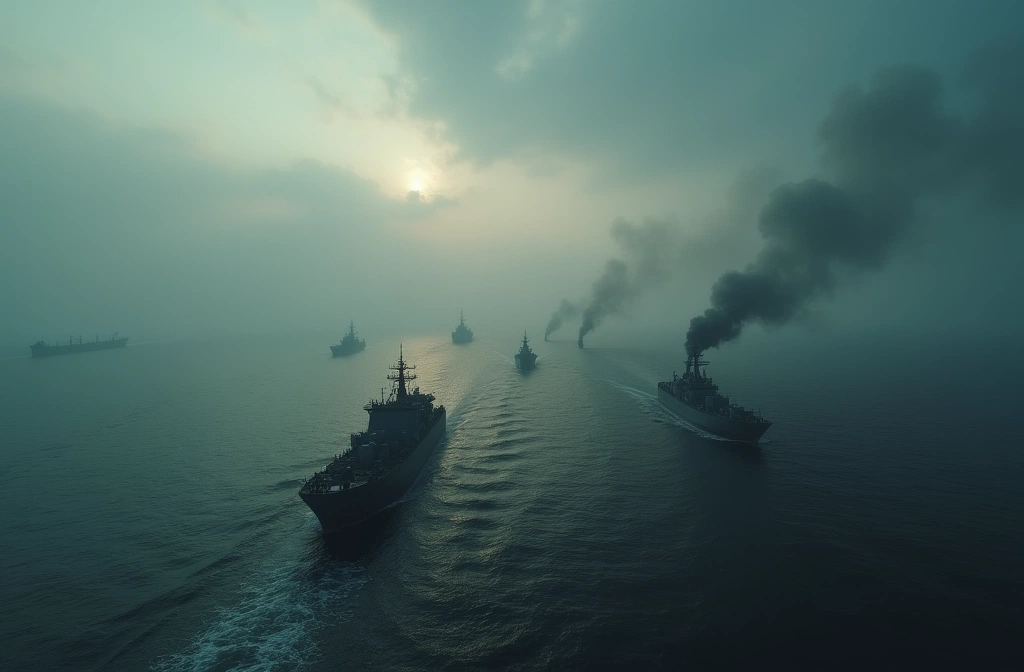
According to BBC News reporting, Donald Trump stated the US 'shot down' seven Iranian boats on Monday—a claim Tehran has denied. The same source reports Iran fired missiles and drones at military and commercial vessels operating in the Strait of Hormuz.
The Strait of Hormuz is a critical chokepoint for global oil transit. Sustained or escalating attacks on shipping in this region—whether confirmed or contested—create immediate risk to energy markets and supply chains. Commercial shipping insurance rates rise, rerouting adds cost and delay, and physical damage to vessels or infrastructure can disrupt flows for weeks.
What matters for infrastructure planning: the gap between US and Iranian claims about what occurred suggests either side may escalate further actions based on their own threat assessment. Contested incidents create uncertainty, and uncertainty drives reactive decisions—faster naval movements, preemptive positioning, and tighter rules of engagement that increase collision and miscalculation risk.
For supply-chain and energy-dependent systems, the real risk is duration and frequency. A single incident is a spike. Recurring claims and counterclaims over days or weeks create sustained market stress—fuel hedges spike, shipping costs climb, and just-in-time logistics begin to fray. Power plants with tight fuel reserves, hospitals dependent on precise supply timing, and chemical processes with narrow tolerance windows all feel pressure first.
Iran's statement that 'we are just getting started' appears to signal intent for further action, though BBC does not attribute specific motive analysis to named sources.
What to watch: Shipping insurance claims, physical damage reports to vessels (not just claims), any US or allied statement on rerouting naval assets, and OPEC or oil futures market movement. Sustained volatility in Brent or WTI crude over 72+ hours suggests market confidence in the dispute becoming structural rather than tactical.
